Insect Infestation in Lawn Grass: Chinch Bugs Cause Damage
In the world of turf management, one pest stands out as a significant challenge for lawn care professionals and homeowners alike - the hairy chinch bug. This insect, while not as widely distributed as its counterpart, the common chinch bug, is the most commonly encountered pest of northern turfgrasses in North America.
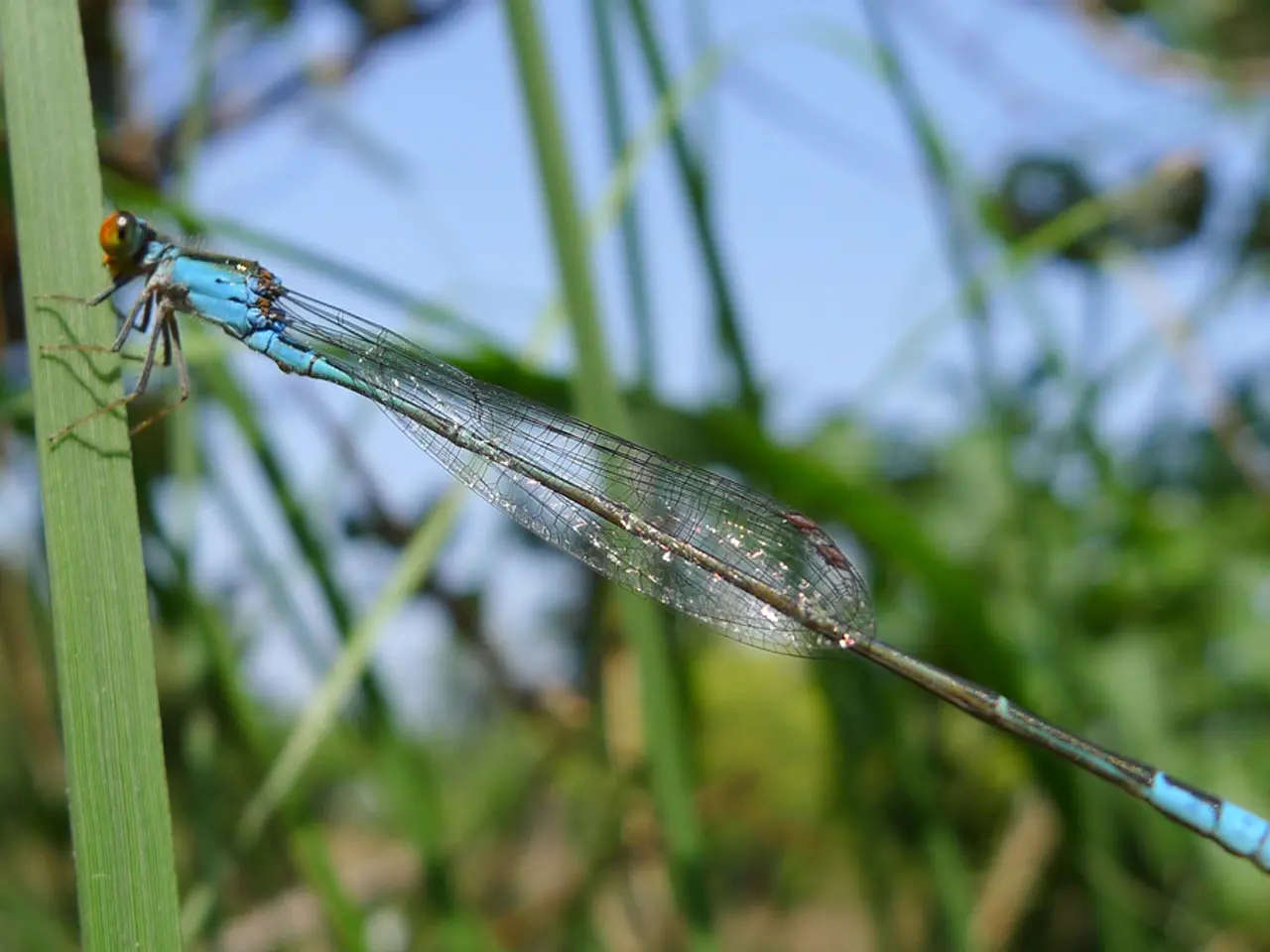
The fifth instar of chinch bug nymphs, easily recognizable by their wing pads, undergo a noticeable transformation. At this stage, their general color changes to black, with an abdomen that is a blue-black hue, sporting some darker black spots. The total body length of these nymphs is approximately 3 mm.
The hairy chinch bug seems to have a preference for certain turfgrass species, particularly Kentucky bluegrass, perennial ryegrasses, and fine fescues. Lawns with 50% or more bluegrass are the most likely to be attacked. However, it's worth noting that the common chinch bug, while less prevalent in the central and southern United States, can also be found feeding on Bermudagrass, fescues, Kentucky bluegrass, perennial ryegrass, zoysiagrass, and crabgrass, among other species.
Chinch bug damage is usually first detected when irregular patches of turf begin to turn yellow and then brown. This damage can be mistaken for other issues, but the telltale signs of chinch bug infestation are crucial in identifying the pest.
Unfortunately, controlling chinch bug populations can be challenging. Allowing turf to go into summer dormancy during hot and dry weather can help decrease populations, but this may not always be a viable option. Early insecticide sprays can reduce the beginning spring population of chinch bugs if applications are made in April or early May to early June. However, an egg parasitoid (Eumicrosoma beneficum) is known, but it does not seem to build up populations rapidly enough to control this pest.
Several commercial formulations of Beauveria bassiana are available, but studies have shown that applications of this fungus will not reduce hairy chinch bug populations to below damaging levels. Slightly damaged turf will recover quickly if lightly fertilized and watered regularly, while heavily infested lawns may require overseeding.
It's important to note that bigeyed bugs are often mistaken for chinch bugs due to their similar size and shape. However, bigeyed bugs usually do not build up large populations until considerable turf damage has already occurred.
Chinch bugs are some of the oldest known insect pests native to North America, with records of damage to crops dating back to the 1780s. Understanding these pests and their habits is crucial in maintaining healthy, vibrant lawns.
In conclusion, the hairy chinch bug is a significant pest for northern turfgrasses in North America. Recognizing the signs of infestation and taking prompt action can help manage populations and maintain the health of lawns. While controlling these pests can be challenging, a combination of cultural practices, timely applications of insecticides, and understanding the pest's life cycle can help in effective management.
Read also:
- Peptide YY (PYY): Exploring its Role in Appetite Suppression, Intestinal Health, and Cognitive Links
- Toddler Health: Rotavirus Signs, Origins, and Potential Complications
- Digestive issues and heart discomfort: Root causes and associated health conditions
- House Infernos: Deadly Hazards Surpassing the Flames