India's Surge and China's Tech Shift Reshape Global Economic Power
Global economic shifts are reshaping the balance of power between the US, China, and India. While China's growth slows and its focus turns to technology, India's rapid expansion is drawing attention. Meanwhile, trade and financial ties continue to act as a stabilising force between major nations.
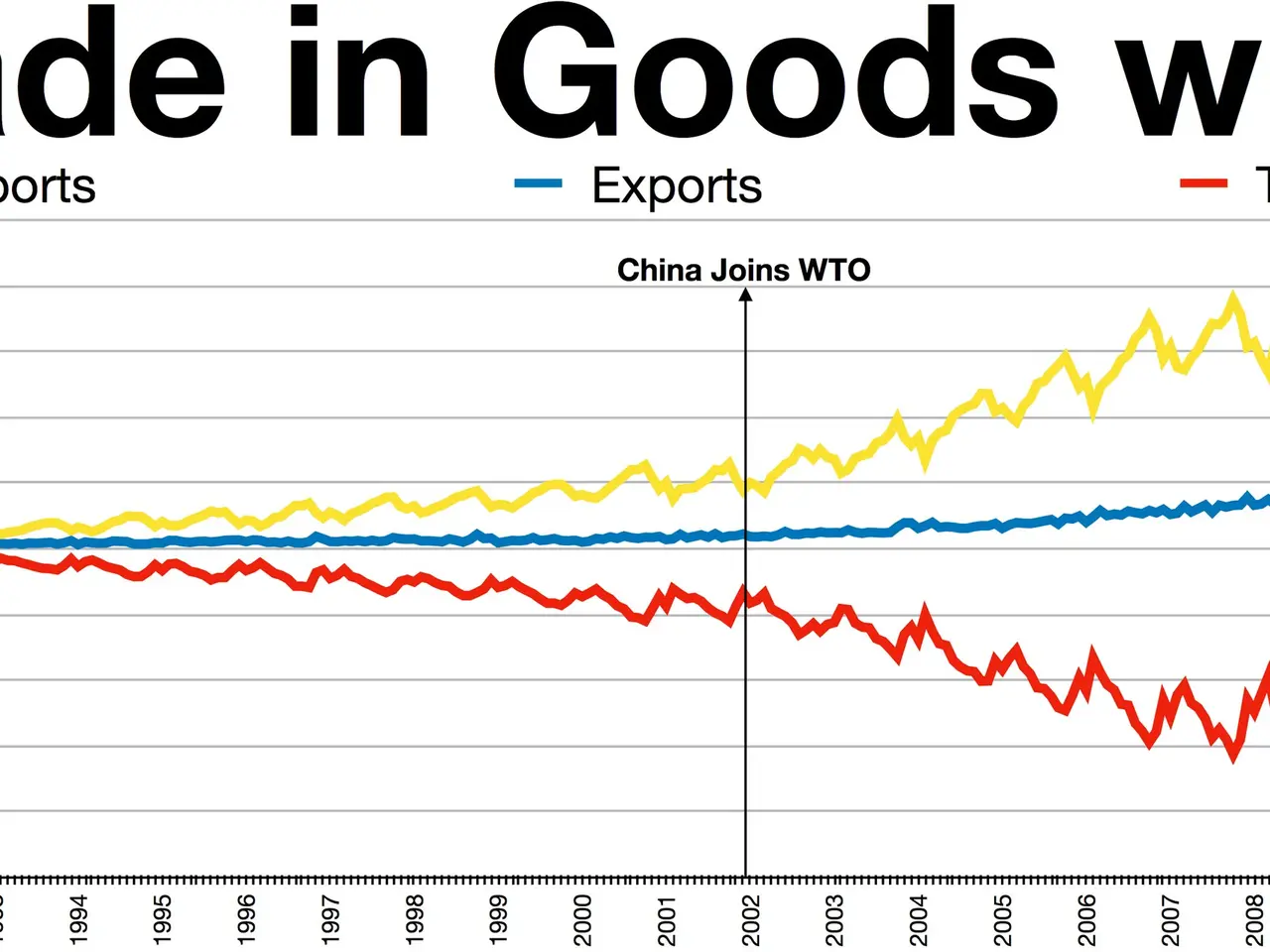
The US now faces key decisions on how to engage with China as its economic and strategic influence evolves. China's economy is no longer chasing double-digit growth. Instead, its latest five-year plan prioritises technological leadership over traditional expansion. This shift comes as cyclical weaknesses persist and per capita incomes in many regions remain comparable to those of Ecuador. Rather than territorial ambitions beyond Taiwan, China has historically favoured gradual influence—what some describe as 'osmosis'—over outright conquest.
India, however, is surging ahead. With a 2023 growth rate of 6.3%—the highest among G20 nations—and projections of 6.5% for 2025-2026, it is outpacing China. The S&P BSE Sensex index reflects this momentum, climbing from 48,000 points in 2020 to around 76,000 in 2026. Analysts expect India to challenge China's dominance over the next decade.
The US holds three possible paths in dealing with China: maintaining the current balance, stepping back, or allowing China a larger role while keeping a firm stance. For stability, Washington must also ratify and comply with the UN's Law of the Sea. At the same time, trade and financial links between the two superpowers remain a powerful deterrent against conflict, as neither can easily outmanoeuvre the other in economic pressure. The US and China now stand as evenly matched rivals, each capable of exerting significant pressure. India's rise adds another layer to this shifting landscape. How Washington adapts—whether by accepting China's equality or reinforcing its own leadership—will shape future global dynamics.
Trade and finance will likely remain key in preventing direct confrontation, but the choices ahead will define the next chapter of international relations.
Read also:
- Peptide YY (PYY): Exploring its Role in Appetite Suppression, Intestinal Health, and Cognitive Links
- Ignorant Youth Unfamiliar with Quebec's Cultural Landscape
- PCOS-related Gas Buildup: Explanation, Control Strategies, and Further Insights
- Astral Lore and Celestial Arrangements: Defining Terms & In-Depth Insights - Historical Accounts & Glossary of Cosmic Mythology