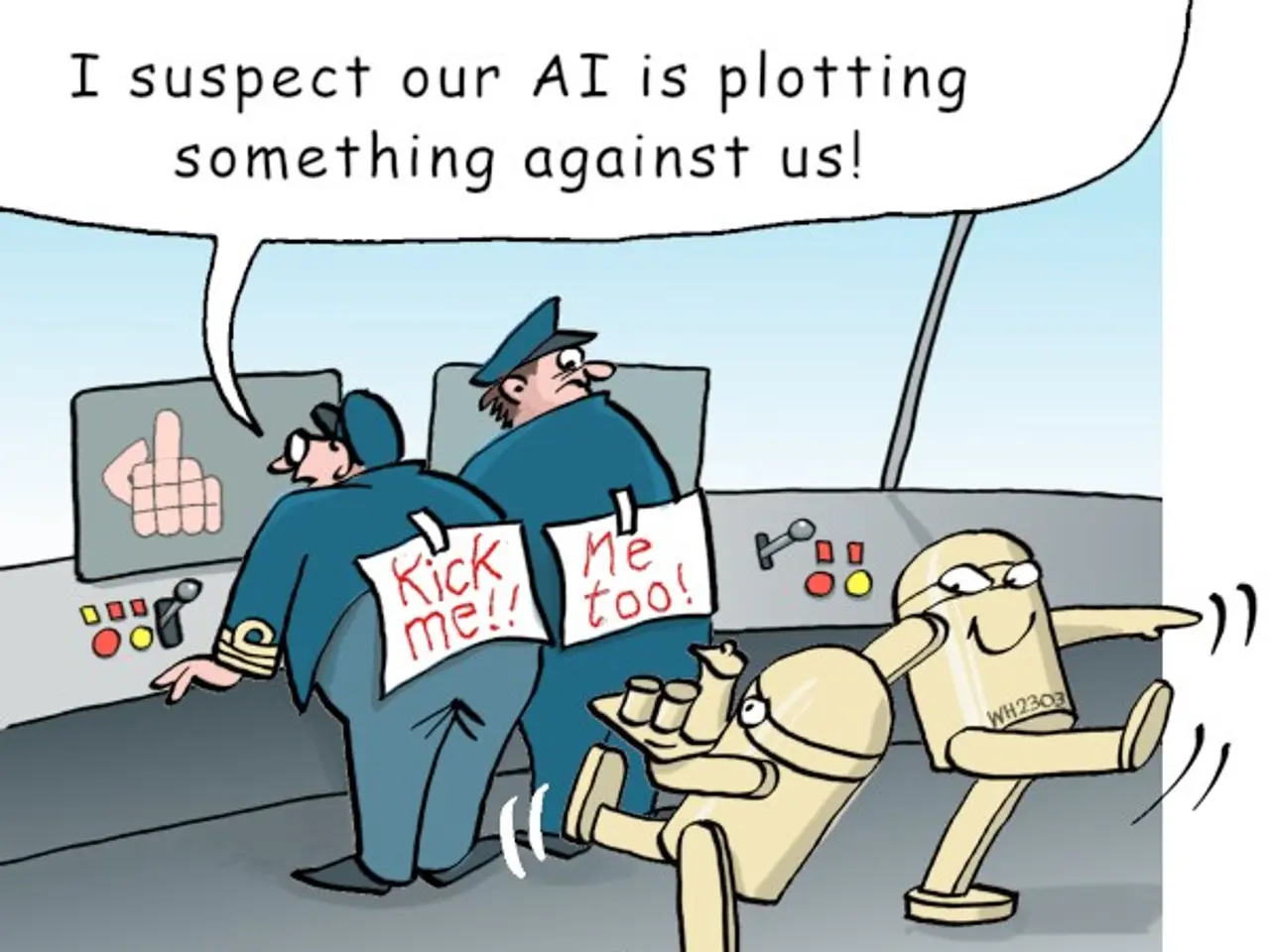
Humanoid AI robots set to transform workplaces within a decade
A new survey reveals strong expectations for humanoid AI robots in workplaces within the next decade. Over a third of respondents believe these machines will soon handle complex tasks independently. Meanwhile, concerns about data protection and worker training have taken centre stage in discussions about AI adoption. The study, involving trade union officials and employer representatives, found that 76% see data protection and personal rights as essential for employee co-determination in AI and robotics. Ethical guidelines ranked third in importance, while occupational health (52%) and working time rules (33%) also featured prominently.
Major German firms are already moving forward. BMW, Mercedes-Benz, and Audi (under Volkswagen) have concrete plans or ongoing trials for humanoid AI robots in production, particularly in the automotive sector. These companies are testing how robots can integrate into existing workflows. Despite the progress, knowledge gaps remain. Only 26% of those surveyed feel well informed about AI and humanoid robots. This has led to calls for better education, with 69% stressing the need for training programmes. Harald Müller, a key figure in the debate, has pushed for a large-scale initiative to prepare workforces for these technologies. Looking ahead, 62% of respondents believe humanoid AI robots will eventually plan and execute tasks without human input. A further 69% expect them in offices, while 75% foresee their use in industrial settings. The 2021 UNESCO ethics recommendation reinforces that AI must not undermine workers' rights, adding weight to calls for responsible deployment.
The survey highlights a clear trend: humanoid AI robots are seen as a near-future reality in many workplaces. Companies and unions now face the challenge of balancing innovation with worker protections, training, and ethical standards. The push for large-scale education programmes suggests preparation is already underway.
Read also:
- Peptide YY (PYY): Exploring its Role in Appetite Suppression, Intestinal Health, and Cognitive Links
- Toddler Health: Rotavirus Signs, Origins, and Potential Complications
- Digestive issues and heart discomfort: Root causes and associated health conditions
- House Infernos: Deadly Hazards Surpassing the Flames