How Photography Captures the Arlberg's Dramatic Transformation Over Time
A new photography exhibition has opened at the Lech Museum, housed in a 400-year-old heritage farmhouse. Titled Open Aperture: The Arlberg in Photography, it explores the region's transformation through the lenses of renowned photographers. The show runs until April 11, 2027.
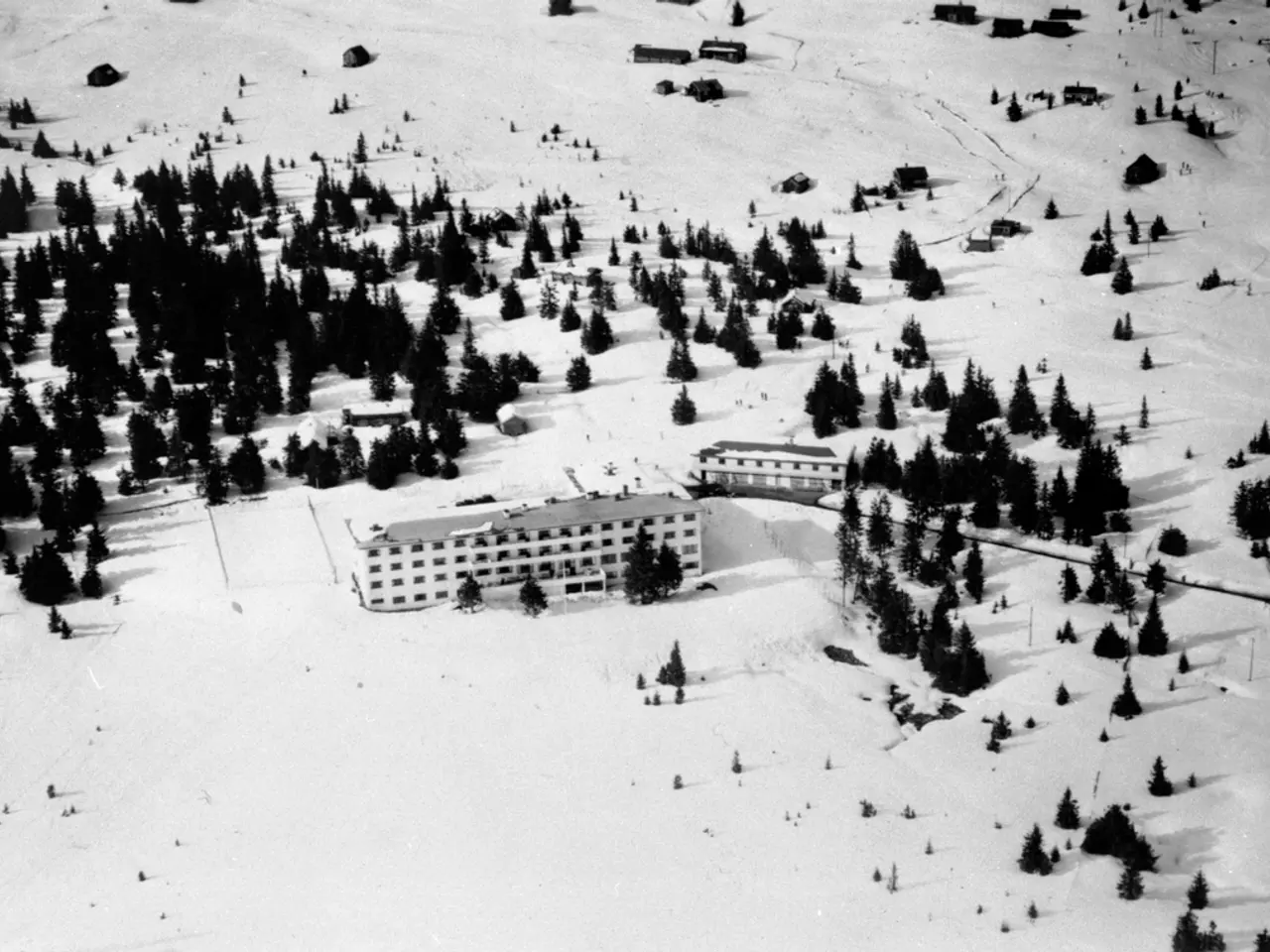
The exhibition is divided into four themes: artistic interpretations, commercial promotion, historical documentation, and personal memories. Curated by Michaela Feurstein-Prasser, it features works by photographers like Tim Hall, Natasha Durlacher, and Walter Niedermayr. Their images capture the stark beauty of snow-covered peaks alongside the effects of mass tourism.
A standout piece is a 1940s après-ski photograph by Robert Capa, best known for his war photography. It shows Jonny, a tanned bartender in a red sweater with his name embroidered on it, surrounded by lively resort guests. Capa took the shot while on assignment for a U.S. travel magazine, documenting the glamorous side of Alpine life.
Private collections also play a key role. Early colour photos from 1943, taken by a sports doctor, offer rare glimpses of Lech before its tourist boom. Other highlights include Slim Aarons' vibrant resort scenes for Town & Country and Edgar Mall's documentation of the vanishing Pillen huts, traditional shelters once common in the Arlberg region.
The exhibition's historical context traces the area's dramatic growth. Since the 1940s, ski infrastructure has expanded from a handful of simple drag lifts—like the first one in Stuben (1939)—to over 90 modern gondolas and chairlifts today. These now connect 305 kilometres of pistes, while snow cannons, introduced in the 1970s, cover 60–70% of the slopes to combat climate variability and extend the season.
The show brings together diverse perspectives, from iconic photographers to amateur snapshots. It reflects how the Arlberg region has evolved from a quiet mountain landscape to a major winter destination. Visitors can explore the contrasts between untouched nature and human development until the exhibition closes in 2027.