How One Man's Bold Compromise Revived Wildlife in Burkina Faso
Clark Lungren, a naturalised citizen of Burkina Faso, transformed wildlife conservation in West Africa through practical, community-led approaches. His work challenged traditional methods by focusing on local involvement rather than institutional control. Lungren's strategies led to remarkable recoveries in wildlife populations, particularly at the Nazinga game reserve.
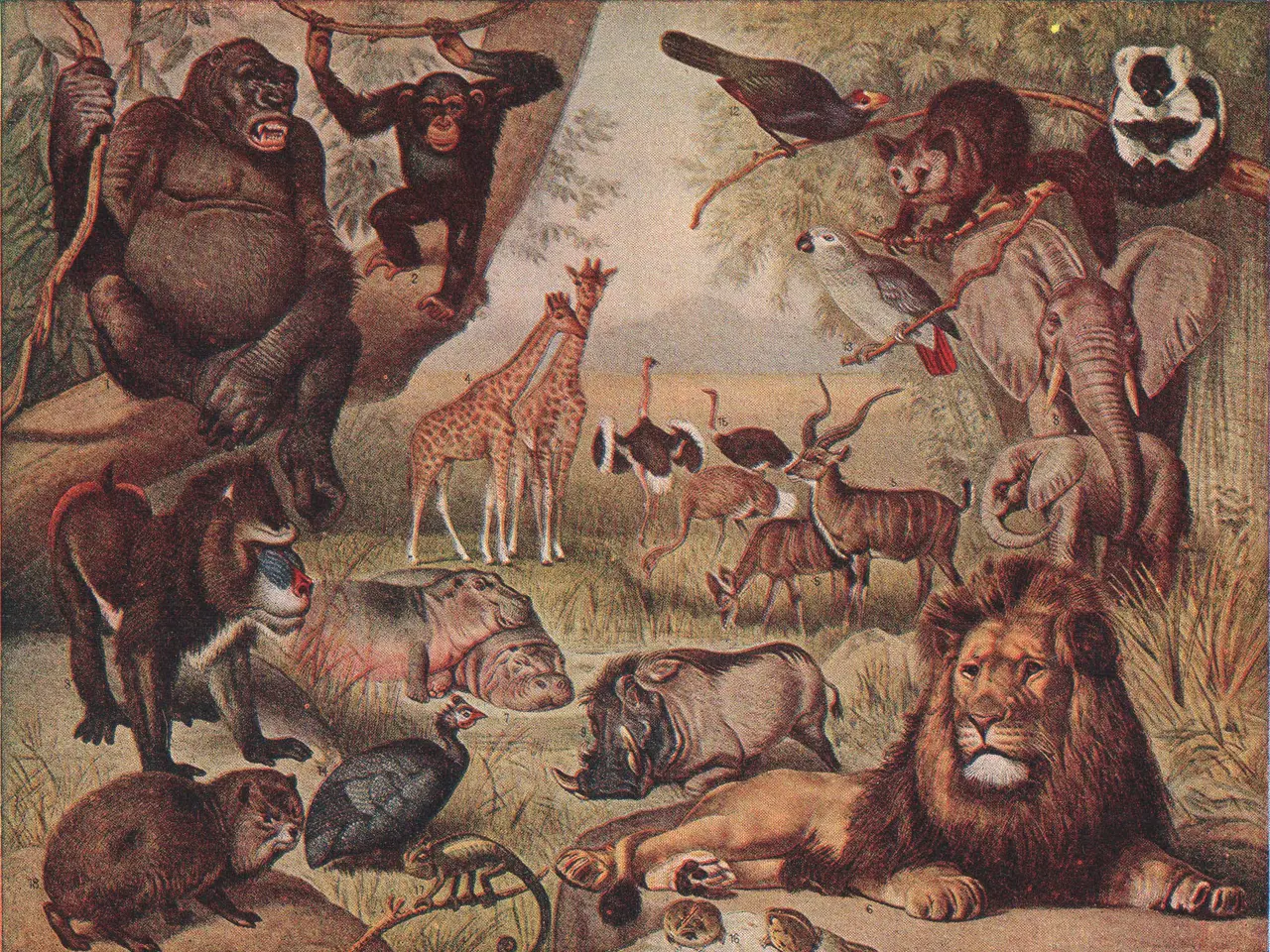
Lungren's influence came not from formal qualifications but from his deep understanding of local languages, village politics, and rural life. In southern Burkina Faso, he proposed a bold compromise: communities could hunt in designated areas if they agreed to protect wildlife elsewhere. Many doubted the plan, yet its success became clear when elephant numbers and other species rebounded sharply at Nazinga.
The reserve's recovery also brought economic benefits. Tourism grew as wildlife thrived, and former poachers found new roles as wardens and guides. Lungren's approach extended beyond Burkina Faso, with similar programs in Mali and Niger, where he worked with local groups on anti-poaching and community-based conservation. At Wedbila, he set up a demonstration farm to prove that sustainable wildlife management could support local livelihoods. His broader vision pushed for giving communities greater control over land and wildlife decisions. This shift marked a departure from the region's history of conservation struggles led by outside institutions. Lungren died in September 2025 at the age of 74. His legacy, however, remains visible in the thriving ecosystems and empowered communities of Nazinga and beyond.
The compromise at Nazinga showed that local involvement could restore wildlife while improving livelihoods. Former poachers now work as protectors, and tourism continues to rise. Lungren's methods, though unconventional, have left a lasting mark on conservation in West Africa.
Read also:
- Ignorant Youth Unfamiliar with Quebec's Cultural Landscape
- PCOS-related Gas Buildup: Explanation, Control Strategies, and Further Insights
- Astral Lore and Celestial Arrangements: Defining Terms & In-Depth Insights - Historical Accounts & Glossary of Cosmic Mythology
- "Rural Idyls with Supercars: Astonishing Sites Where Residents Cruise McLarens and Ferraris for Groceries"