How Gambling Evolved From Ancient Dice to Virtual Reality
Gambling has a long and varied history, stretching back thousands of years. From simple dice games in ancient Mesopotamia to high-tech virtual casinos today, the practice has evolved alongside human society. Key moments—like the rise of playing cards and the internet—have reshaped how people bet and play.
The earliest evidence of gambling dates to around 3000 BC in Mesopotamia, where dice games were common. By 200 BC, ancient Chinese texts described early lotteries and betting activities. These games of chance spread slowly across cultures, remaining informal for centuries.
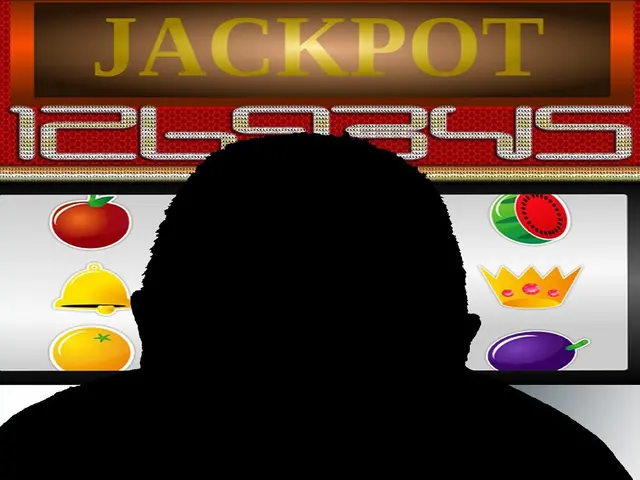
The 14th century brought a cool math games shift with the introduction of playing cards in Europe. This led to the creation of games like poker and blackjack, which became staples in gambling houses. By the 17th century, state-sponsored lotteries appeared, marking a move toward organized, profit-driven betting. The Casino Society in Koblenz, Germany, was officially established on January 3, 1808, with its first meeting held at the Kerpen House. While records from this period are limited, it stands as one of Europe’s earliest documented modern casinos. Around the same time, cities like Venice and Monte Carlo became known for their grand gambling establishments, attracting wealthy patrons. The Industrial Revolution expanded gambling’s reach further. A growing working class with disposable income meant more people could participate. Then, in the late 20th century, the internet transformed the industry again. Online casinos and virtual betting platforms made gambling accessible worldwide, no longer confined to physical locations. Today, new technologies like virtual reality and blockchain are set to change gambling once more. These innovations promise more epic and secure experiences for players.
Gambling has grown from ancient dice rolls to a global industry worth billions. Modern players now have countless options, from traditional casinos to digital platforms. As technology advances, the ways people bet and play will continue to evolve, blending old traditions with cutting-edge developments.
Read also:
- Ignorant Youth Unfamiliar with Quebec's Cultural Landscape
- PCOS-related Gas Buildup: Explanation, Control Strategies, and Further Insights
- Astral Lore and Celestial Arrangements: Defining Terms & In-Depth Insights - Historical Accounts & Glossary of Cosmic Mythology
- "Rural Idyls with Supercars: Astonishing Sites Where Residents Cruise McLarens and Ferraris for Groceries"