How 18 Historic Chapels Were Saved by Art, Donors, and a €18 Million Vision
On the Eiderstedt Peninsula, 18 historic chapels serve 16 small parishes with just over 11,000 residents. Many of these buildings, once the heart of village life, now face financial struggles as membership and church tax revenues decline. To save them, a bold plan was set in motion—raising €18 million to restore all 18 chapels and reimagine their role in the community.
The church district launched an ambitious campaign to renovate every chapel in the region. Most have since been repaired and reopened, though St. Nikolai in Kotzenbüll remains unfinished. Its future use is still under discussion.
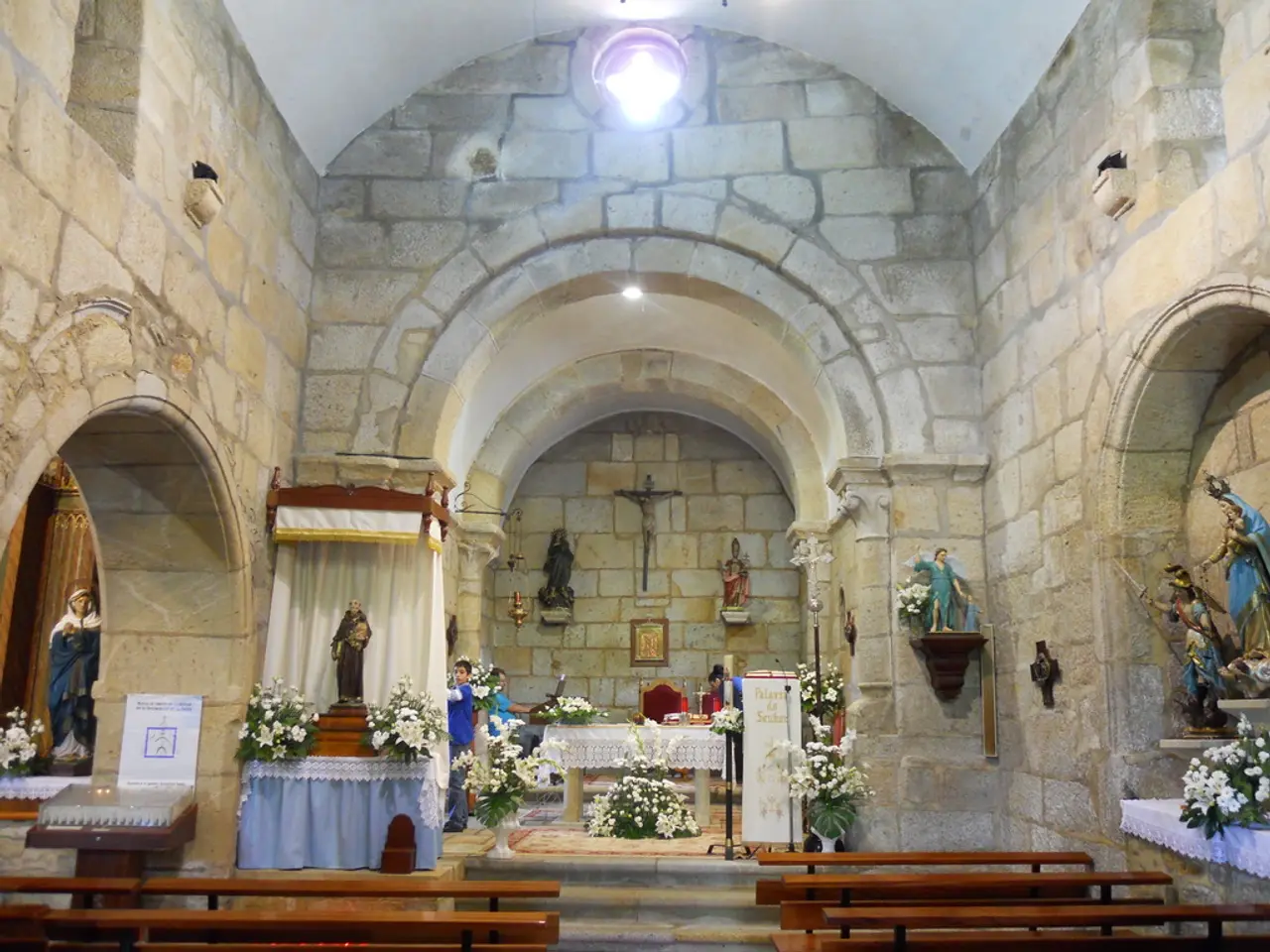
One standout success is St. Magnus in Tating, transformed into an art church to draw visitors and revive local interest. The project, run by the Kunstforum St. Magnus group, now attracts over 16,000 tourists each season. To fund the work, volunteers sponsored roof tiles, each inscribed with personal messages. Private donors also played a key role, contributing around €1 million to the overall effort. Pastor Michael Goltz has long argued that chapels remain vital to village identity. Their preservation, he believes, is about more than bricks and mortar—it’s about keeping community spirit alive.
With nearly all 18 chapels now restored and in use, the project has secured their place in the region’s future. The art church in Tating proves that creativity and public support can breathe new life into old spaces. Yet the challenge of declining membership—and the question of St. Nikolai’s fate—remains unresolved.
Read also:
- Peptide YY (PYY): Exploring its Role in Appetite Suppression, Intestinal Health, and Cognitive Links
- Toddler Health: Rotavirus Signs, Origins, and Potential Complications
- Digestive issues and heart discomfort: Root causes and associated health conditions
- House Infernos: Deadly Hazards Surpassing the Flames