Greece's Smart Meter Chaos Sparks Calls for Urgent Energy Reforms
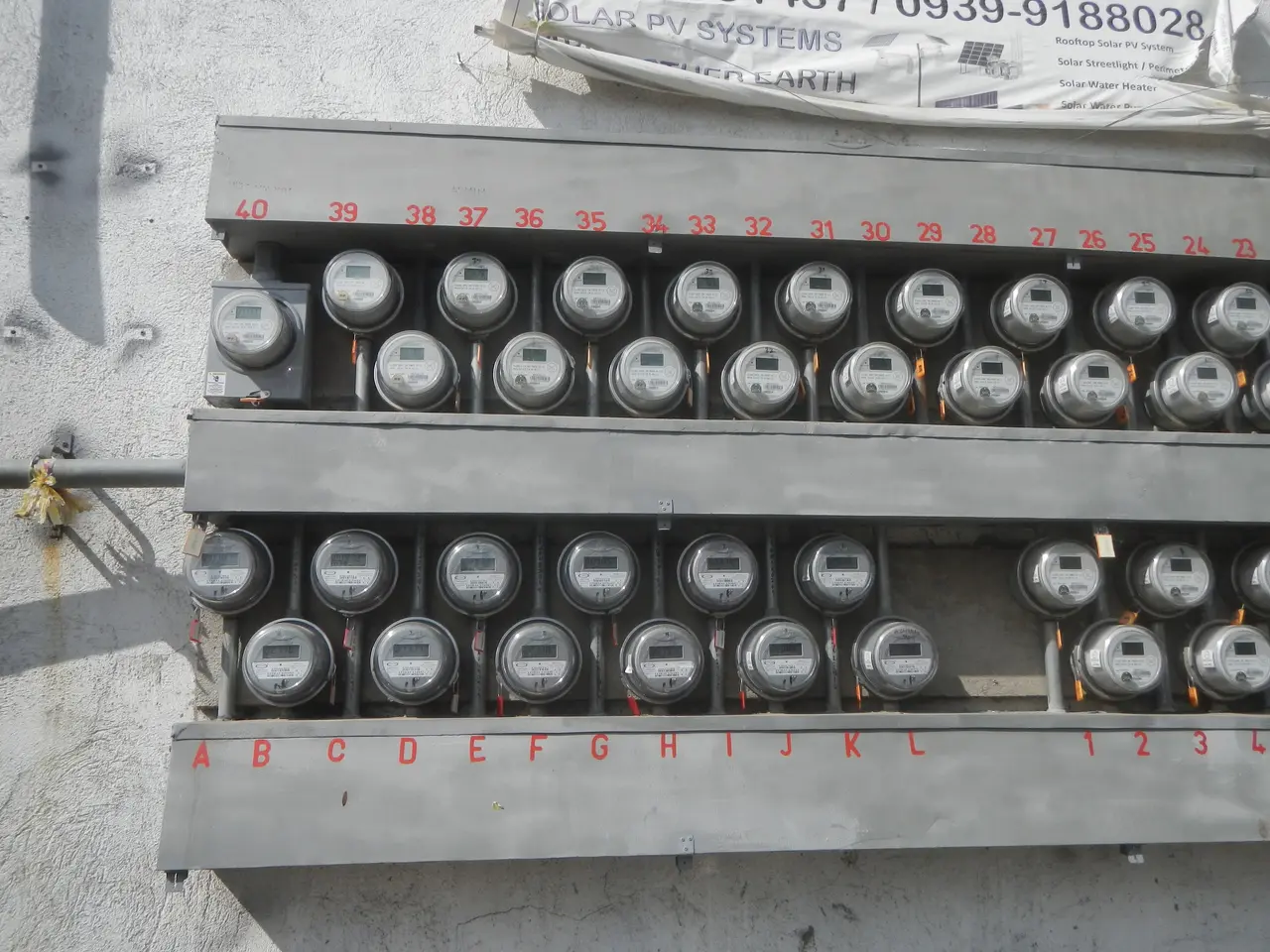
Greece's electricity distribution operator HEDNO is facing growing criticism over its smart meter rollout and billing practices. Consumers have reported unfair charges, faulty metering, and baseless power theft accusations. Now, regulators and industry groups are pushing for reforms to restore trust and transparency in the market. HEDNO has installed 1.3 million smart meters so far, with a total budget of €1.4 billion allocated until 2030. Yet, by 2024, only 11% of Greek households have these devices—far below the EU average of 58%. Many of the earliest models, up to 250,000 in total, may now need replacement or upgrades because they cannot handle real-time data for dynamic pricing.
The metering period was shortened to monthly intervals, but consumers claim HEDNO's mishandling has led to incorrect bills. Complaints also include wrongful accusations of electricity theft and unreliable readings. In response, the Regulatory Authority for Energy (RAAEY) has pledged to investigate these issues and bring more balance to the market. To modernise pricing, HEDNO has proposed technical changes to retail market rules. These adjustments aim to introduce dynamic pricing by February 2026. Once fully operational, the system should allow lower electricity costs during off-peak hours, benefiting households with smart meters.
The rollout of smart meters continues, but challenges remain with outdated hardware and consumer distrust. Dynamic pricing could eventually reduce costs for users, but only if the system operates fairly and transparently. Regulators and HEDNO must now address these flaws to ensure the transition runs smoothly for all involved.
Read also:
- Ignorant Youth Unfamiliar with Quebec's Cultural Landscape
- PCOS-related Gas Buildup: Explanation, Control Strategies, and Further Insights
- Astral Lore and Celestial Arrangements: Defining Terms & In-Depth Insights - Historical Accounts & Glossary of Cosmic Mythology
- "Rural Idyls with Supercars: Astonishing Sites Where Residents Cruise McLarens and Ferraris for Groceries"