Global food prices diverge as meat hits record highs while sugar tumbles
Global food prices showed mixed trends in September, with some commodities falling while others hit new peaks. The FAO Food Price Index dipped slightly to 128.8 points, down from 129.7 in August. Yet behind the overall decline, sharp differences emerged across different food categories.
The FAO Cereal Price Index slipped by 0.6 percent, as wheat and maize prices softened. Rice also saw a minor drop, largely due to weaker demand from the Philippines and several African countries. Despite this, international cereal trade is still projected to grow by 2.5 percent, reaching 497.1 million tonnes—mostly driven by higher wheat shipments.
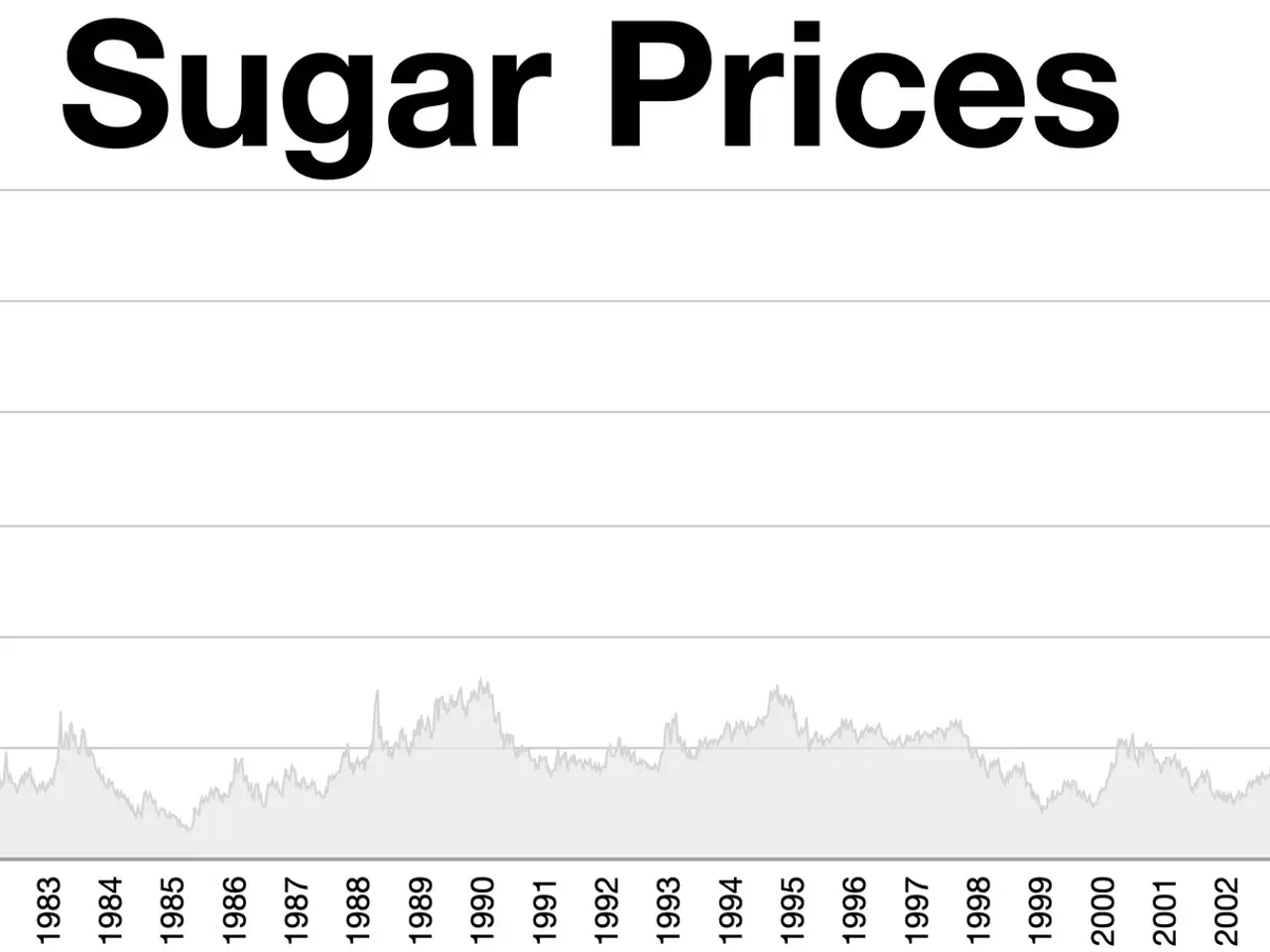
Vegetable oil prices also edged down by 0.7 percent, with palm oil and soybean oil both recording lower quotations. The Dairy Price Index took a steeper fall, dropping 2.6 percent as global butter prices tumbled. Meanwhile, the Sugar Price Index plunged by 4.1 percent, hitting its lowest point since March 2021. On the other hand, the Meat Price Index climbed 0.7 percent to a record high. Strong demand for bovine and ovine meat pushed prices upward. Looking ahead, global cereal production for 2025 is forecast to rise by 3.8 percent, totaling 2,971 million tonnes. Wheat, maize, and rice are all expected to see significant output increases in key growing regions.
The latest FAO data highlights contrasting movements in food markets. While cereals, dairy, and sugar prices fell, meat reached unprecedented levels. The forecast for higher cereal production and trade suggests a more stable supply outlook in the coming months.
Read also:
- Peptide YY (PYY): Exploring its Role in Appetite Suppression, Intestinal Health, and Cognitive Links
- Ignorant Youth Unfamiliar with Quebec's Cultural Landscape
- PCOS-related Gas Buildup: Explanation, Control Strategies, and Further Insights
- Astral Lore and Celestial Arrangements: Defining Terms & In-Depth Insights - Historical Accounts & Glossary of Cosmic Mythology