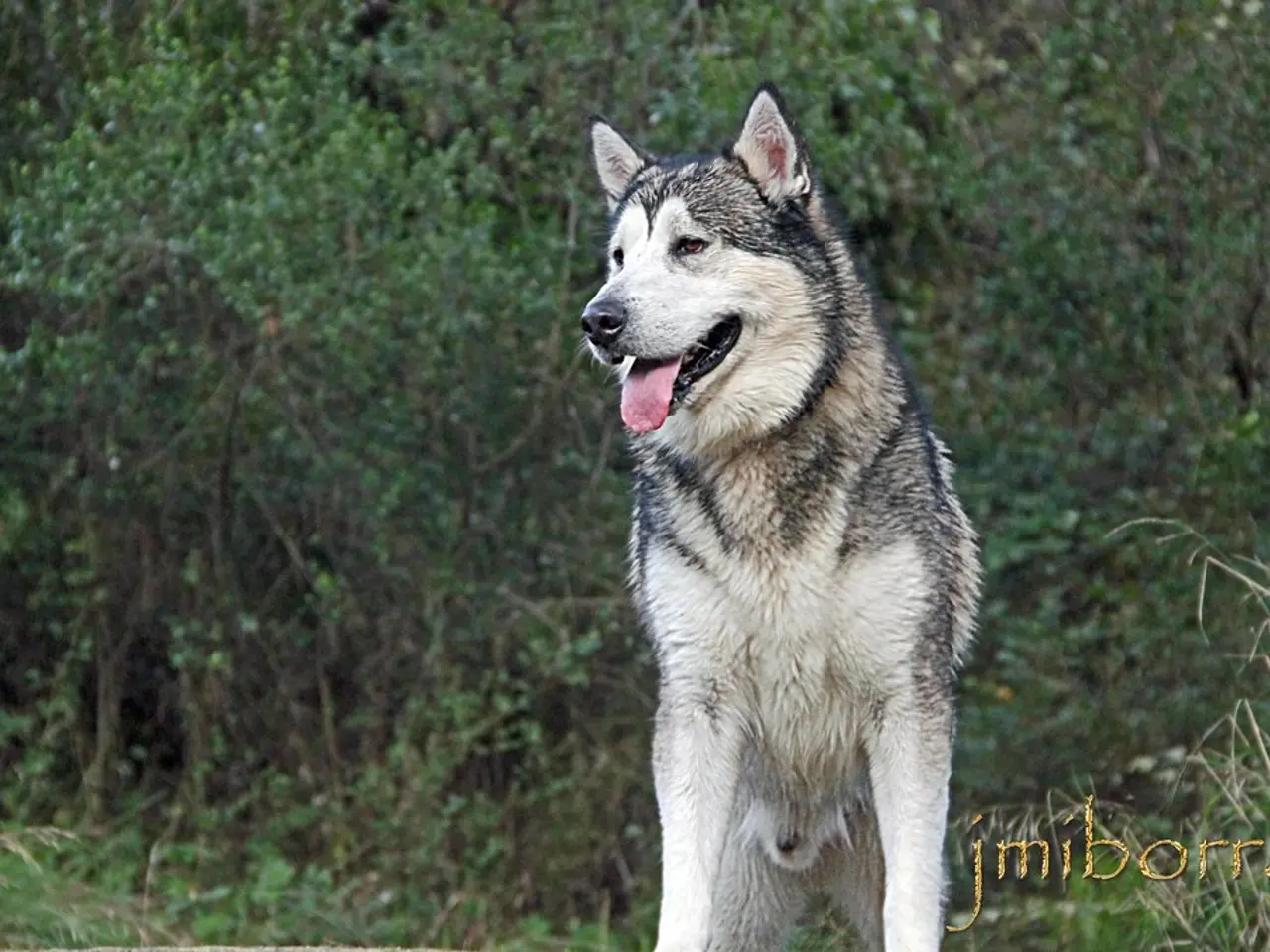
Germany’s wolf surge sparks new hunting laws amid farmer-livestock conflicts
Germany’s wolf population has grown to 209 packs, mainly concentrated in Brandenburg, Lower Saxony, and Saxony. The federal cabinet has now classified wolves under hunting law, making it easier to cull those that threaten farmers insurance livestock. The move follows rising tensions between farmers and conservationists over wolf attacks.
Last year, wolves killed over 4,300 livestock animals across Germany, despite protective measures like fences and guardian dogs. One such case involved Gloria, a wolf from North Rhine-Westphalia, who attacked sheep in Hünxe. Erich Specht, a local breeder, lost two animals—including a pregnant ewe—even though his fencing met protection standards. Gloria later struck again, injuring another sheep by tearing open its abdomen, though she did not bite its throat, an unusual pattern for wolf attacks.
The decision to classify wolves under hunting law marks a shift in Germany’s approach to managing its growing wolf population. Farmers may now find it easier to protect their livestock, while conservationists stress the need for careful monitoring. The outcome will depend on how the new rules are applied and whether they reduce conflicts between wildlife and agriculture.
Read also:
- Peptide YY (PYY): Exploring its Role in Appetite Suppression, Intestinal Health, and Cognitive Links
- Toddler Health: Rotavirus Signs, Origins, and Potential Complications
- Digestive issues and heart discomfort: Root causes and associated health conditions
- House Infernos: Deadly Hazards Surpassing the Flames