Germany's far-right push threatens decades of women's rights progress
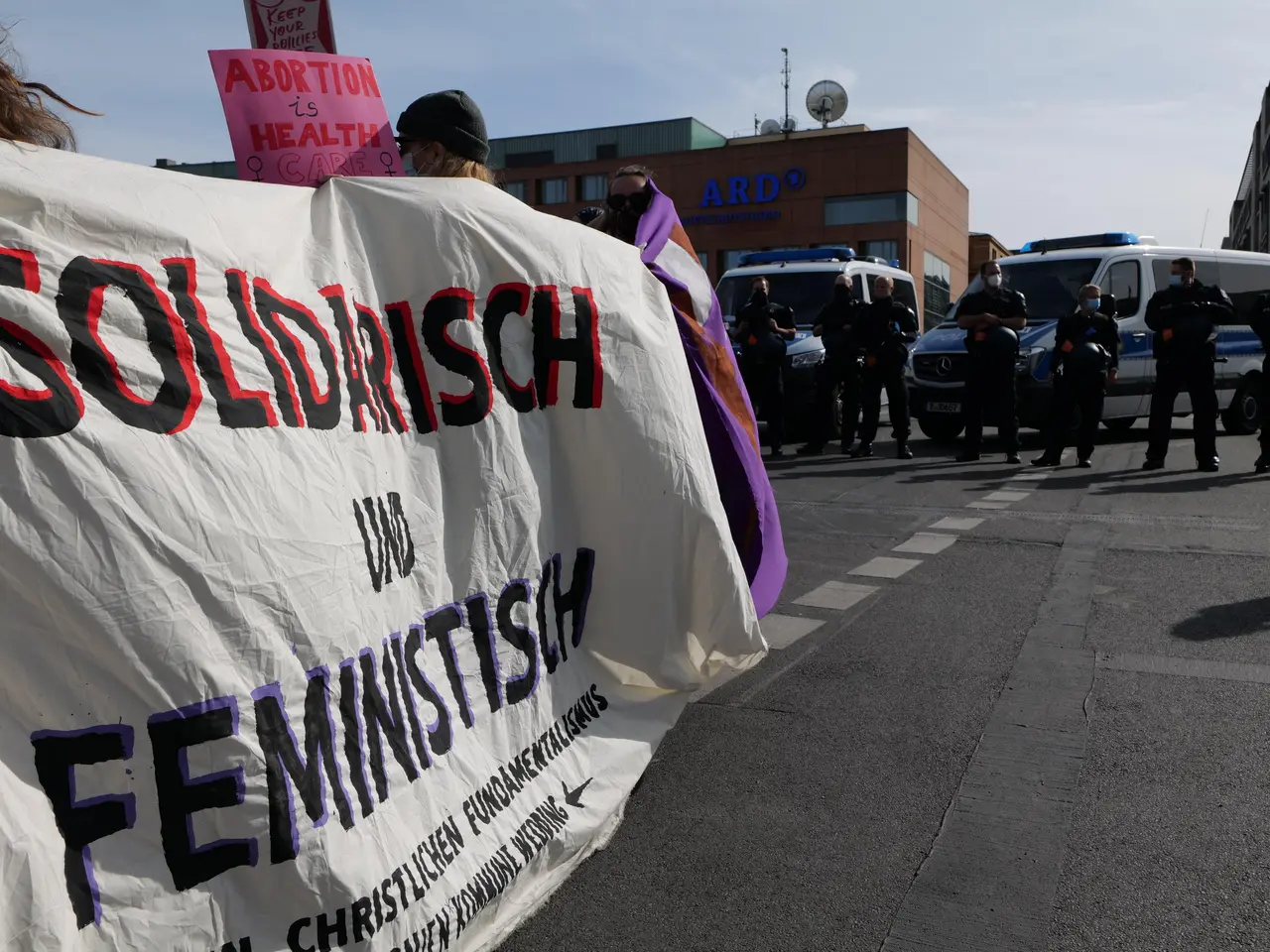
Women’s rights and social welfare in Germany face growing threats as far-right policies gain ground. Recent proposals in Saxony-Anhalt target abortion access and childcare funding, echoing historical battles over welfare cuts. Activists warn that these moves could roll back decades of progress for women and queer communities. In the late 1970s, global protests erupted against cuts to child benefits and social programs. Furious mothers in Geneva hurled a soiled nappy at a politician’s head, demanding action. These women were part of the Wages for Housework movement, fighting for economic recognition of unpaid labour.
In Britain, activists secured an increase in child benefits during an economic crisis. They also blocked plans to replace benefits with tax breaks for fathers. Some even printed their own vouchers for free abortions, forcing authorities to recognise them. Today, Germany’s far-right AfD party in Saxony-Anhalt is pushing extreme measures. Their proposals include mandatory ultrasounds for women seeking abortions and defunding church-run daycare centres. Critics link these policies to fascist ideologies that treat women’s bodies as tools for reproduction. Despite the urgency, feminist alliances have yet to form a united front. The lack of broad resistance leaves women and queer people vulnerable as welfare protections weaken.
March 8th, International Women’s Day, arrives at a critical moment. The current climate threatens abortion rights, childcare support, and economic security for women. Without strong opposition, these policies could reshape Germany’s social landscape for years to come.
Read also:
- Peptide YY (PYY): Exploring its Role in Appetite Suppression, Intestinal Health, and Cognitive Links
- Toddler Health: Rotavirus Signs, Origins, and Potential Complications
- Digestive issues and heart discomfort: Root causes and associated health conditions
- House Infernos: Deadly Hazards Surpassing the Flames