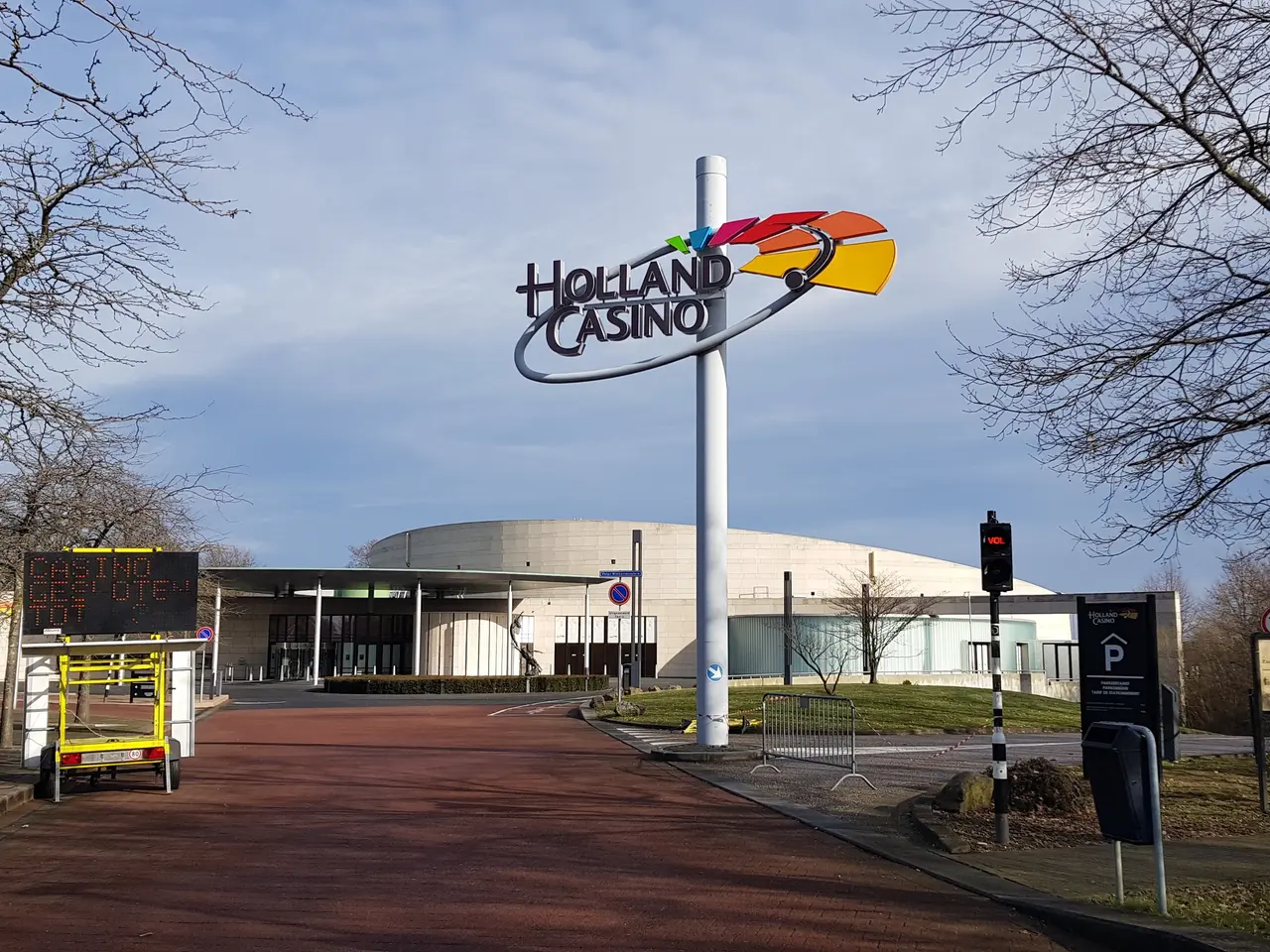
Gambling hubs exploit deprived areas as 664 venues target vulnerable communities
Adult Gaming Centres (AGCs) are disproportionately concentrated in deprived areas, raising concerns about their impact on vulnerable communities. Research shows that at least half of these venues operate in disadvantaged neighbourhoods, where residents face a higher risk of gambling-related harm.
Out of roughly 1,400 licensed AGCs, 664 are situated in deprived or disadvantaged locations. These areas often struggle with limited access to support services, leaving residents less informed about help for gambling issues. People in such communities are more likely to develop compulsive gambling habits, leading to financial strain and relationship breakdowns.
Local authorities hold the power to restrict the spread of AGCs but do not always enforce these controls. Impulsive gambling, common in these settings, contributes to broader societal costs, including mounting debt and social instability. Despite the risks, no recent data confirms whether UK councils have taken steps to reduce automated gambling machines in high-risk areas since 2020.
The clustering of AGCs in disadvantaged areas highlights a pattern of exploitation, targeting those most vulnerable to gambling harm. Without stronger local intervention or better awareness of support options, the cycle of debt and social strain in these communities is likely to persist.
Read also:
- PCOS-related Gas Buildup: Explanation, Control Strategies, and Further Insights
- Astral Lore and Celestial Arrangements: Defining Terms & In-Depth Insights - Historical Accounts & Glossary of Cosmic Mythology
- "Rural Idyls with Supercars: Astonishing Sites Where Residents Cruise McLarens and Ferraris for Groceries"
- Heartache Explained: Understanding Angina