Federal government intends to significantly diminish safeguards for wetland regions
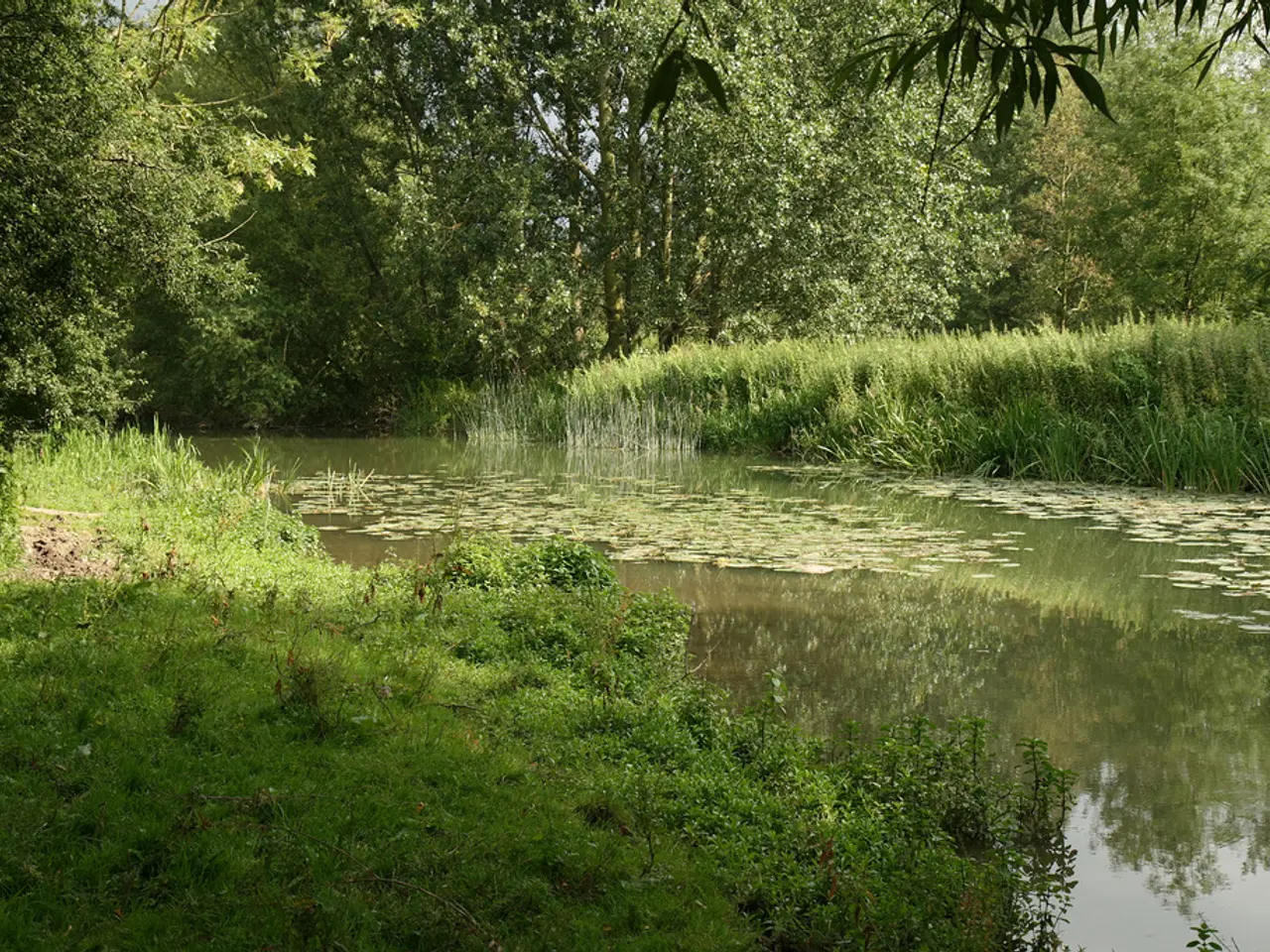
The Trump administration has announced a new proposed rule that could significantly alter the definition of "relatively permanent water" under the Clean Water Act. This rule, if finalized, could potentially exclude many wetlands in the western U.S. and exempt more industrial waste treatment systems and ditches from the Act.
According to a presentation, a relatively permanent water would be defined as a standing or continuously flowing body of surface water that flows either year-round or at least during the wet season. If only part of a single wetland contains surface water, while the rest does not, the drier part would not be considered a WOTUS (Waters of the U.S.) under the new rule.
The EPA plans to use an online tool called WebWIMP to determine whether a water body or wetland is relatively permanent. The federal government would regulate wetlands only if they meet a two-part test, requiring them to contain surface water throughout the wet season and to be abutting and touching a river, stream, or other waterbody that also flows throughout the wet season.
The rule's language is intended to comply with the Sackett ruling, according to John Paul Woodley Jr., a key figure in the proposal. However, the rule could be difficult to implement in practice due to the variability of wet seasons, as noted by Woodley.
The Clean Water Act aims to restore and protect the health of the nation's waters. If fewer wetlands permits are required under the new rule, as suggested in the presentation, this could potentially lead to the elimination of federal protections for many wetlands across the U.S. The proposed rule could also result in private companies not needing federal permits to pollute or build over certain areas of wetlands, if finalized.
The White House Office of Management and Budget is currently reviewing the proposal rule. The EPA spokesperson has stated that they plan to take final action on the rule by the end of the year. The Trump administration is proposing this new Clean Water Act rule, which could have far-reaching implications for the protection of wetlands and the nation's waters.
Read also:
- Peptide YY (PYY): Exploring its Role in Appetite Suppression, Intestinal Health, and Cognitive Links
- Toddler Health: Rotavirus Signs, Origins, and Potential Complications
- Digestive issues and heart discomfort: Root causes and associated health conditions
- House Infernos: Deadly Hazards Surpassing the Flames