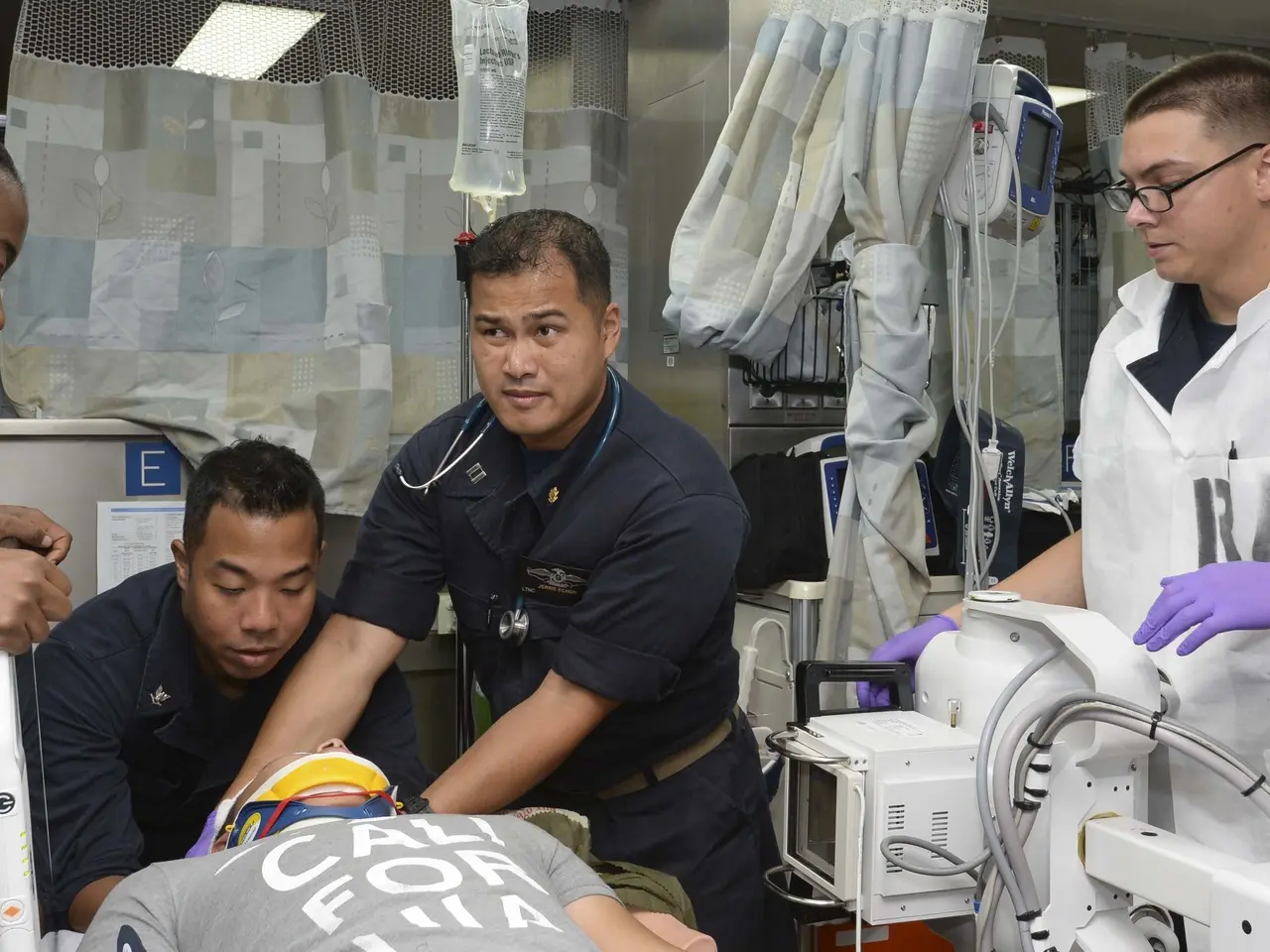
Estonian bill lets nurses refuse non-urgent emergency room patients
The Estonian Ministry of Social Affairs is pushing a new bill to ease pressure on emergency departments. Under the proposal, nurses could turn away patients who don’t require urgent care after an initial check. The move targets long-standing overcrowding in emergency rooms across the country. Overcrowding in emergency medicine departments (EMO) has been a persistent issue in Estonia. Statistics from the North Estonian Regional Hospital (PERH) show that 50 to 60% of visitors don’t actually need emergency treatment. Many turn to emergency rooms simply to get quick tests or help when family doctors and specialists have long waiting times.
Social Affairs Minister Carmen Joller backs the bill, arguing that experienced nurses can reliably assess who needs urgent care. The law aims to cut down on unnecessary visits, particularly during peak hours, and reduce strain on emergency doctors. However, the Association of Nursing Supervisors opposes the plan. They warn that nurses could face legal consequences if a patient is sent home and later deteriorates. The bill also shifts psychological and legal responsibility onto nursing staff, adding to their workload. Not all hospitals will adopt the same approach. Tallinn Children’s Hospital, for example, intends to keep its current system rather than follow the new guidelines.
The proposed law seeks to free up emergency resources by allowing nurses to refuse non-urgent cases. Yet critics argue it fails to address the deeper issue: limited access to primary care. Without fixing that, the problem of overcrowded emergency rooms may persist.
Read also:
- Peptide YY (PYY): Exploring its Role in Appetite Suppression, Intestinal Health, and Cognitive Links
- Toddler Health: Rotavirus Signs, Origins, and Potential Complications
- Digestive issues and heart discomfort: Root causes and associated health conditions
- House Infernos: Deadly Hazards Surpassing the Flames