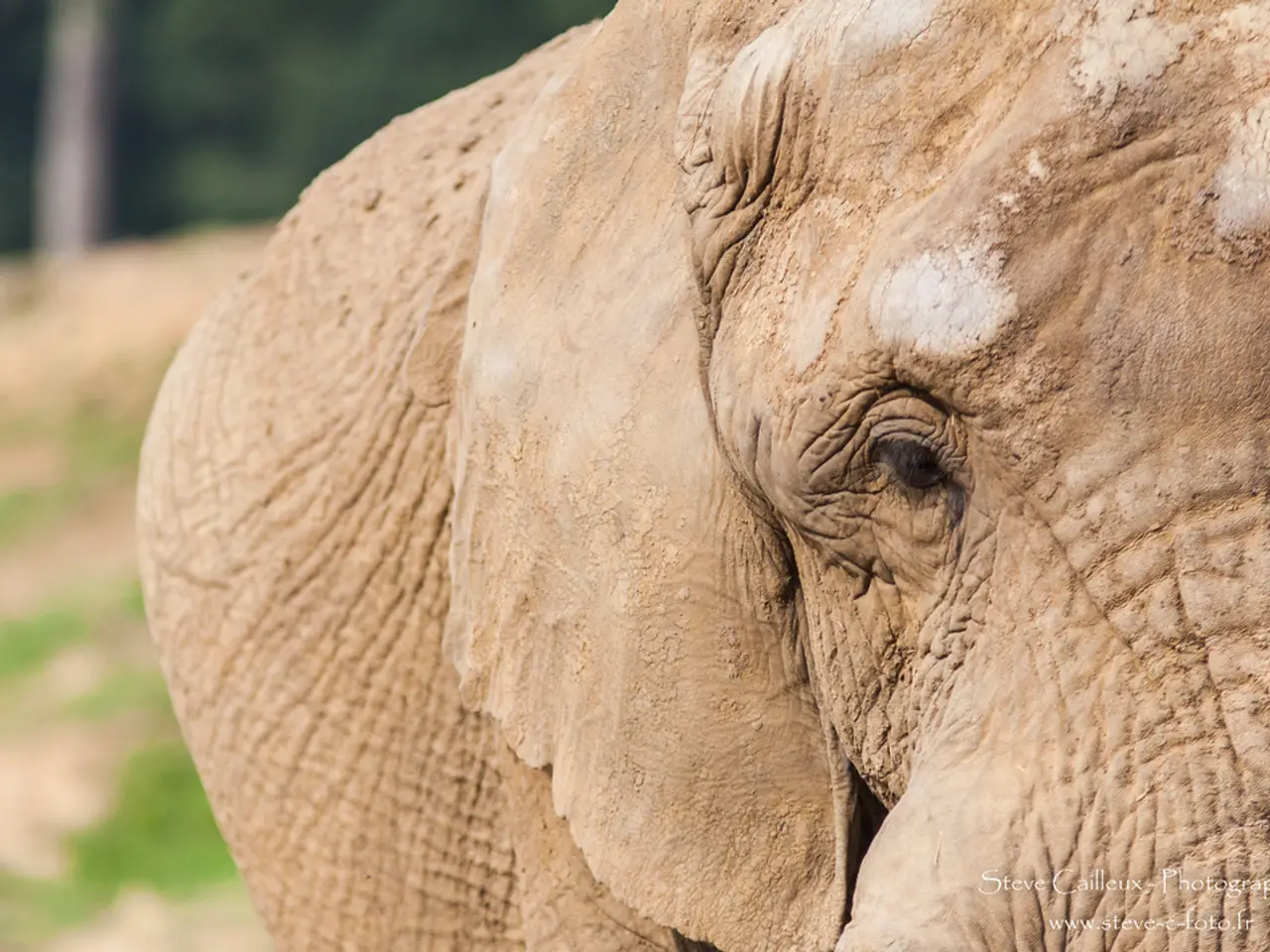
Elephants in Kenya's Samburu National Reserve intervene to protect a young female from a harassing male suitor.
In the sprawling Samburu and Buffalo Springs National Reserves of Kenya, an exceptional 52-year-old elephant named Matt has been making waves. Matt, who weighs over 6 tons and stands 10 feet tall at the shoulder, is one of the largest land animals on Earth.
Matt, unlike his younger counterparts, invests much more effort in mating. This unusual behaviour is a result of a state called musth, a period of heightened sexual activity and aggression that occurs in male elephants.
Males don't fall into a regular musth rhythm until they're about 35 years old. By age 50, Matt is particularly active during the mating season, an unusual timeline for most mammal species, whose reproduction tends to slow with age.
Professor Fritz Vollrath, from the University of Oxford, led a research group that studied the energy expenditures of old male elephants during reproduction. The team fitted GPS tracking collars on 30 adult bulls of various ages in a study population of about 900 individuals spanning the two national reserves in northern Kenya.
The researchers found that when Matt was out of musth, he was one of the slowest walkers in the study. However, when musth began, he walked faster than his younger competitors. Matt also patrolled territories 350% larger.
This behaviour gives older males like Matt an advantage when competing for females. Females use age as a proxy for fitness when choosing mates in elephant populations. Males in musth have a tremendous advantage over non-musth males, with almost 80% of calves in the same population being sired by them, according to a 2007 study.
The discovery could have major implications for the conservation of the African elephant, which is listed as vulnerable by the International Union for Conservation of Nature. The elephant mortality rate from poaching is declining in response to lower demand for ivory on the international market, and positive steps like Hong Kong's commitment to closing its ivory market by 2021 offer hope for the future of these majestic creatures.
The study of Matt's behaviour was recently published in the Journal of Animal Ecology. Matt's story serves as a reminder of the unique and fascinating lives these animals lead, and the importance of conservation efforts to protect them.
Read also:
- Peptide YY (PYY): Exploring its Role in Appetite Suppression, Intestinal Health, and Cognitive Links
- Toddler Health: Rotavirus Signs, Origins, and Potential Complications
- Digestive issues and heart discomfort: Root causes and associated health conditions
- House Infernos: Deadly Hazards Surpassing the Flames