DIY Guide to Creating Homemade Salad Dressings
Making Homemade Salad Dressings: A Budget-Friendly and Healthy Option
Are you tired of spending a fortune on store-bought salad dressings, especially the organic or healthy kinds? Look no further! Making your own salad dressings at home is not only budget-friendly but also allows you to control the taste and experiment with different flavours.
Starting with a simple recipe, mix three parts oil with one part vinegar and add a hint of mustard. Whisk it vigorously until it's smooth and well combined. You can season this base dressing with salt, pepper, herbs or even garlic for extra flavour. Ingredients like olive oil, vinegar, and lemon juice are now staples in my kitchen, allowing me to create various DIY salad dressings without breaking the bank.
Customising the flavours of your salad dressings gives you the freedom to experiment with different combinations of herbs, spices, and other seasonings. For instance, the Basic Balsamic Dressing is a versatile vinaigrette made with balsamic vinegar, olive oil, Dijon mustard, minced garlic, salt, and pepper. If you're craving a citrusy kick, try the Cilantro Lime Dressing with fresh cilantro leaves, lime juice, olive oil, minced garlic, honey, salt, and pepper. Or perhaps the tangy Apple Cider Vinegar Dressing with extra-virgin olive oil, apple cider vinegar, Dijon mustard, minced garlic, and sea salt is more to your liking.
Experimenting with ingredients such as honey, mustard, or even soy sauce can bring out unique flavours that cater to your personal preferences and make each salad dressing distinctly yours. Don't forget about the Garlic Tahini Dressing, a versatile dressing that can be used on salads, veggies, and roasted vegetables. Or the Peanut Dressing, an easy and delicious dressing made with peanut butter, soy sauce, rice vinegar, honey, sesame oil, water, garlic, ginger, and lime juice.
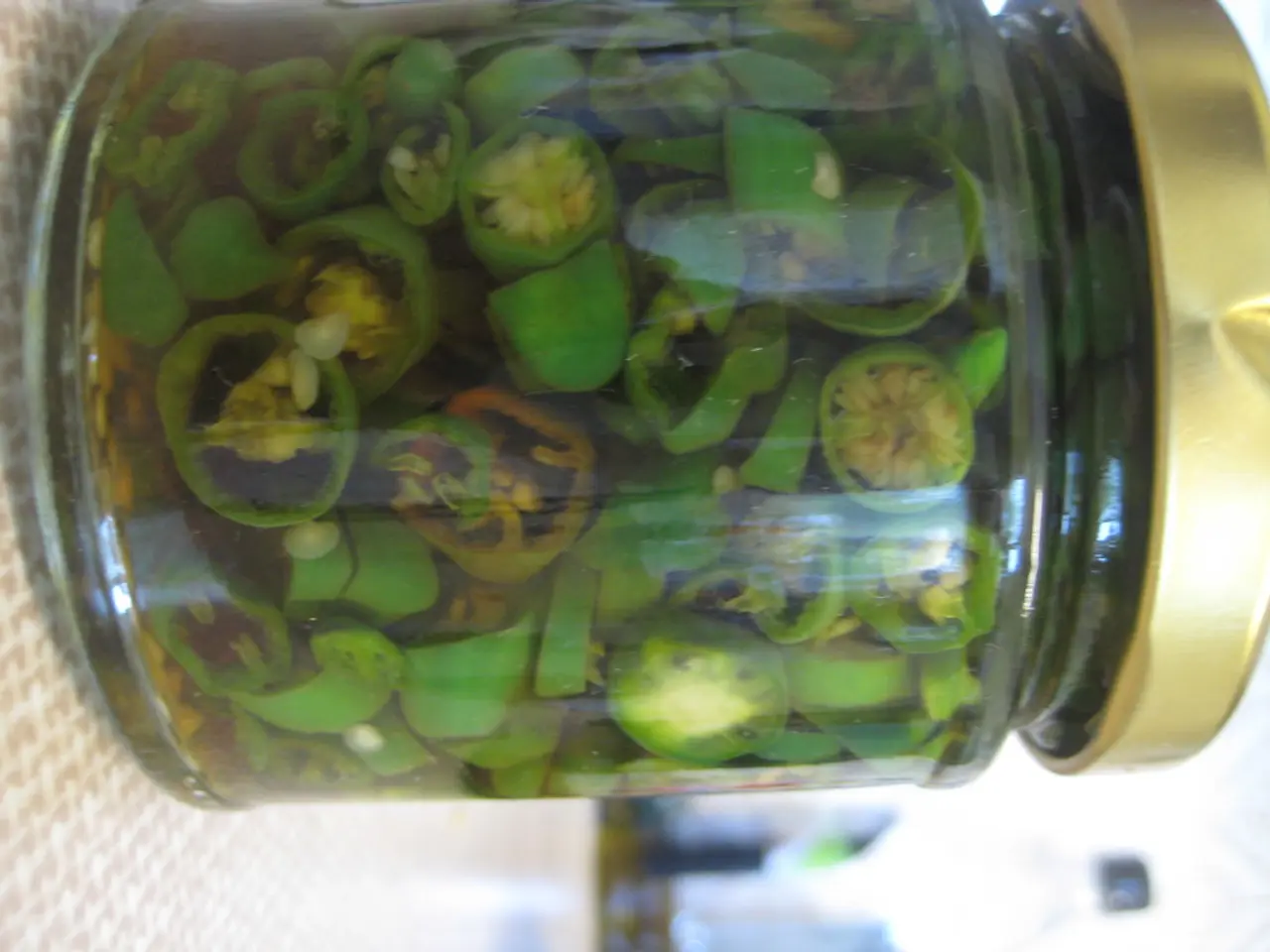
It's important to use clean containers to store homemade salad dressings and to avoid cross-contamination with utensils or hands while serving. I store homemade dressings in airtight glass jars or bottles to maintain freshness. Glass containers keep the flavours intact and prevent any reaction between the dressing and plastic. It's also essential to label each container with the date of preparation, allowing me to track its shelf life and ensure I use it before it expires.
Homemade salad dressings have a shelf life of 1 to 2 weeks when refrigerated, but creamy dressings with dairy or mayonnaise should be consumed within 5 to 7 days. When refrigerated at a consistent temperature, these containers preserve the flavour and texture for up to two weeks, ensuring that I always have homemade dressings ready when needed without compromising on taste or quality.
Making homemade salad dressings saves money, avoids unhealthy additives, and allows for customisation of flavours to suit personal preferences. By making your own dressings, you ensure that you are using only fresh and natural ingredients without any unhealthy additives. So why not give it a try and start experimenting with your favourite flavour combinations today? Your wallet and taste buds will thank you!
Read also:
- Cheese consumption leads to fatalities for two individuals.
- AI's looming shadow on Mexican small-scale enterprises: how purpose-driven communities can offer salvation
- Europe's Famous Hiking Spot Showcases Breathtaking Mountain Scenery
- Daily Dietary Delight: Uncovering the Impact of Consuming Superfood Tomatoes Each Day