Despite the Excited Expectations, Ghana's QR Payment System Experiences Slow User Acceptance
The Bank of Ghana (BoG) has set its sights on virtual assets, with a particular focus on stablecoin usage and other cryptocurrency payments. This shift in focus could potentially revolutionise digital payments in Ghana.
In 2020, Ghana launched its universal QR code payment system, GhQR, developed by GhIPSS in partnership with the BoG. Initially, adoption was slow, but it picked up momentum in 2021, with over 42,000 merchants having signed up by the end of that year.
Despite the growth, users have reported issues with the functionality of GhQR, finding mobile money and banking app transfers more convenient and user-friendly. To address this, the BoG and GhIPSS have launched public education campaigns, including media outreach and stakeholder engagement, to enhance awareness and understanding of the GhQR payment platform.
One user suggested that GhIPPs should collaborate with banks to create more awareness of the GhQR platform to the public. This could help improve adoption rates and address the functional issues users have encountered.
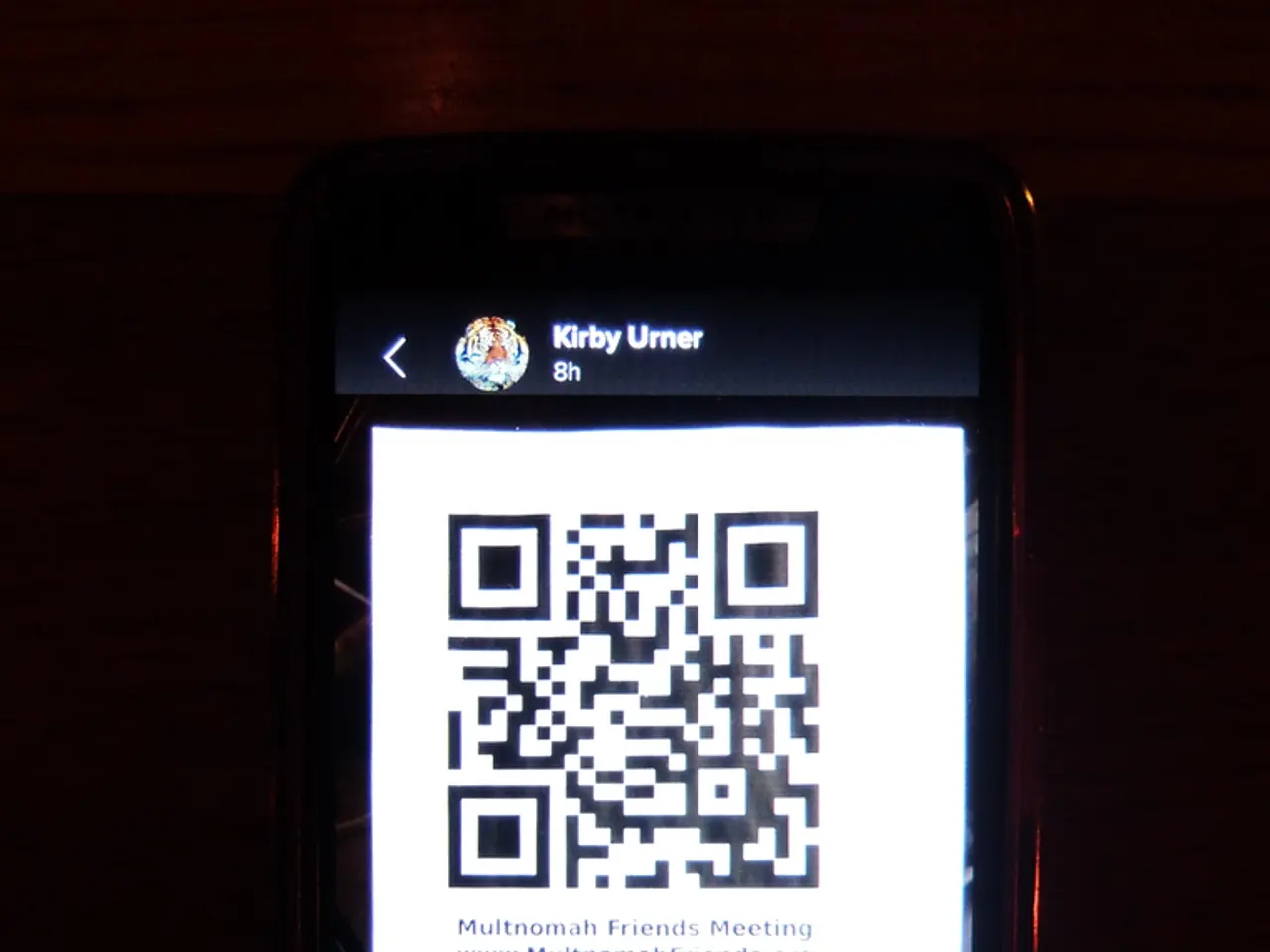
GhQR allows users to scan displayed QR codes with their smartphones to make payments or dial USSD codes for payment. It also enables consumers to make instant payments from various funding sources, including bank accounts and mobile wallets.
The value of mobile money transactions in Ghana exceeded GHC 3 trillion in 2024, with the total value of transactions reaching a high of GHC 365 billion in April 2025. The value of transactions across mobile money networks (interoperability) had exceeded more than GHC 25 billion by June 2025.
In public spaces, merchants display a large QR code at their pay counters for consumers to scan. GhQR integrates with GhanaPay, a mobile wallet launched by the central bank.
Comparatively, China's platforms like Alipay and WeChat Pay serve about 90% market share, serving 1.4 billion people through QR-based mobile wallets. Brazil's Pix system achieved over 70% adoption among adults by 2025, enabling instant transfers via QR codes or keys.
However, it remains unclear whether the GhQR platform will become more useful or be left to the wayside as the BoG focuses on virtual assets. The BoG and GhIPSS did not share numbers on QR Payment transaction data or volume in their reports in 2024.
India's Unified Payments Interface (UPI) processed 19.47 billion transactions worth approximately $302 billion in July 2025 alone. This highlights the potential for growth in Ghana's digital payments if more awareness and promotion are pushed by the BoG and banks.
As Ghana continues to embrace digital payments, the focus on virtual assets could pave the way for a more inclusive and efficient financial ecosystem. The future of digital payments in Ghana is promising, with the potential for significant growth and innovation.
Read also:
- Peptide YY (PYY): Exploring its Role in Appetite Suppression, Intestinal Health, and Cognitive Links
- Toddler Health: Rotavirus Signs, Origins, and Potential Complications
- Digestive issues and heart discomfort: Root causes and associated health conditions
- House Infernos: Deadly Hazards Surpassing the Flames