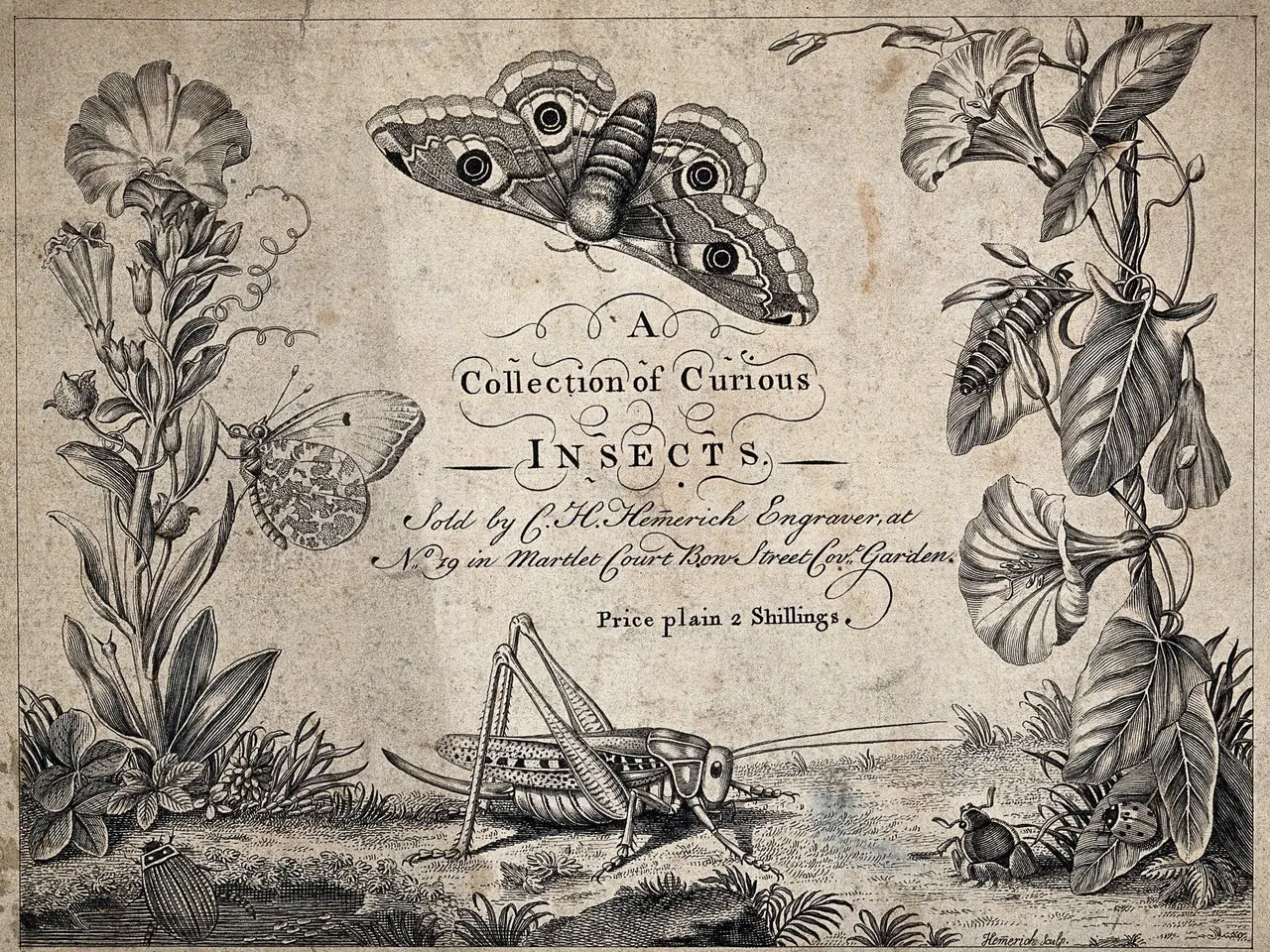
Decades-Old Kamchatka Insect Collection Unlocks Ecological Secrets
A unique collection of insects from Kamchatka is now being inventoried by experts from two Russian nature reserves. The specimens, gathered over decades, will help scientists monitor environmental health in protected areas. The project brings together specialists from Mordovia and Kronotsky Reserves to study and document the valuable collection. The entomological collection was assembled by Lyudmila Efimovna Lobkova, a veteran researcher at Kronotsky Reserve, starting in 1972. It includes hundreds of specimens—from butterflies and dragonflies to grasshoppers, flies, bees, and beetles—all collected in Kronotsky Reserve, South Kamchatka Sanctuary, and nearby districts like Elizovsky, Milkovo, and Bystrinsky. Over 2,000 insect species have been documented in these areas so far.
Alexander Ruchin, director of Mordovia Reserve and a practising entomologist, is leading the inventory effort. He stresses that studying insects and building such collections should be standard practice in all protected zones for effective environmental monitoring. The process involves carefully sorting each specimen, removing those in poor condition, and recording details in a shared database. Insects play a vital role in ecosystems, serving as key indicators of environmental health. Mikhail Yesin, a senior researcher at Mordovia Reserve, highlights their importance in assessing the well-being of larger animal populations. The collaboration between the two reserves ensures that the collection's data will support ongoing scientific research in protected territories.
The joint project will provide a clearer picture of Kamchatka's insect biodiversity and its ecological significance. Once fully documented, the collection will serve as a long-term reference for tracking changes in the region's ecosystems. The findings are expected to aid conservation efforts in both Kronotsky and Mordovia Reserves.
Read also:
- Peptide YY (PYY): Exploring its Role in Appetite Suppression, Intestinal Health, and Cognitive Links
- Ignorant Youth Unfamiliar with Quebec's Cultural Landscape
- PCOS-related Gas Buildup: Explanation, Control Strategies, and Further Insights
- Astral Lore and Celestial Arrangements: Defining Terms & In-Depth Insights - Historical Accounts & Glossary of Cosmic Mythology