Dallas Housing Boom Leaves Low-Income Families Behind, Study Finds
A new study has revealed a growing housing crisis in Dallas, where low-income families face soaring rents despite a construction boom. The report, titled Abundance For Who?, was published by the Georgetown Center on Poverty and Inequality. While Dallas has added more housing than any other major US metro area, most of it remains out of reach for those who need it most.
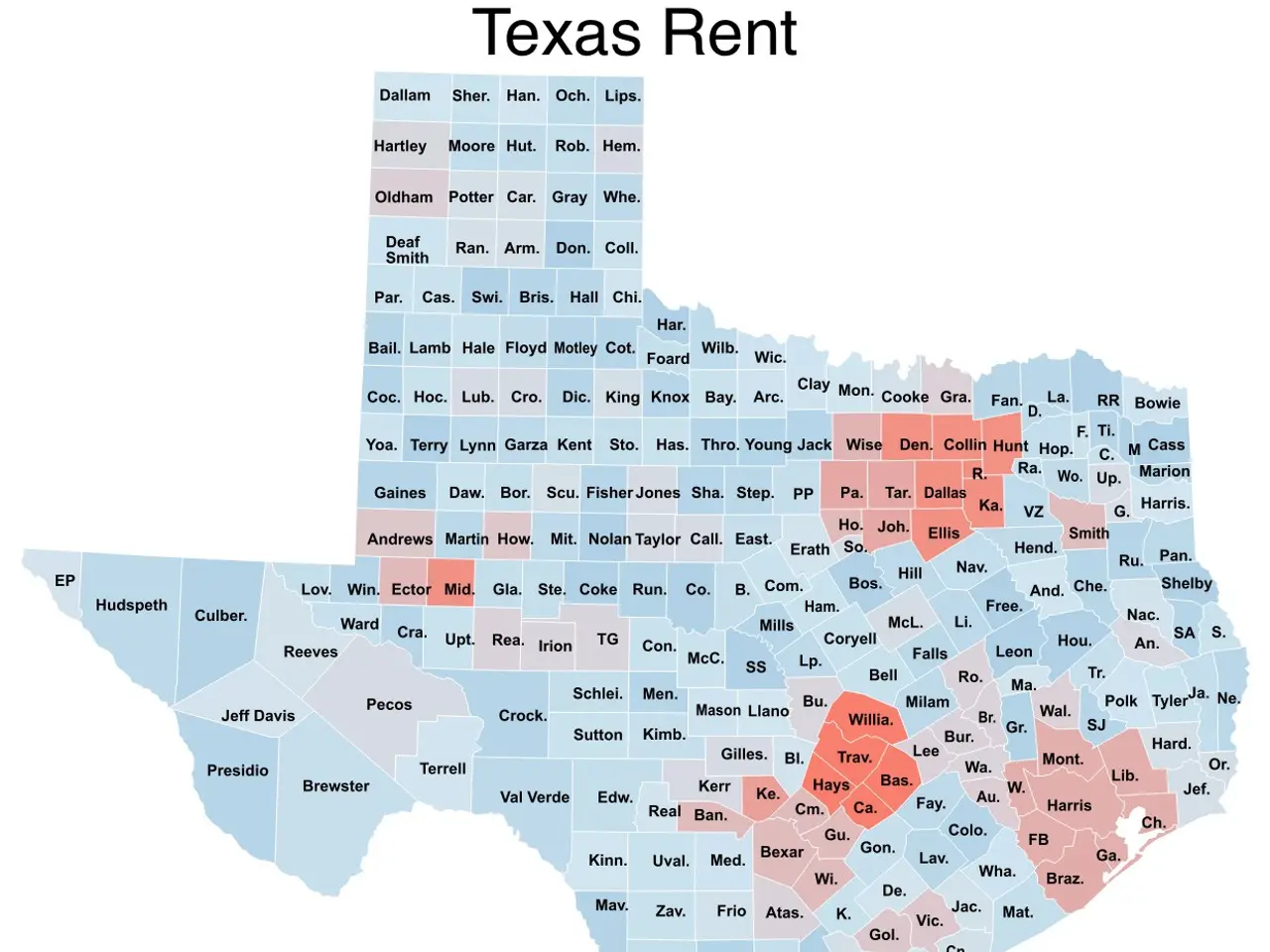
The Dallas-Fort Worth-Arlington region now has over 22% of its housing stock built in recent years—nearly double the national average. Yet, rents for very low-income households climbed by 8.8%, while extremely low-income renters saw a 5% increase. In contrast, moderate, middle, and high-income households experienced a 7% rise.
The study found that most new housing caters to renter households earning over £60,000 a year. As a result, Dallas ranks as the second-worst metro area for affordable low-income housing. Outdated local rules, like slow permitting and vague design standards, have worsened the problem. City officials have taken some steps, such as reforming parking policies. However, the report calls for greater public investment in housing, particularly for extremely low and very low-income families. It also recommends building more 'missing middle housing'—such as duplexes and small apartment blocks—and offering incentives for developers to include affordable units.
Despite rapid construction, Dallas's housing boom has largely bypassed those on the lowest incomes. Without further policy changes and targeted funding, the gap between supply and affordability is likely to widen. The study highlights the need for urgent action to ensure housing growth benefits all residents, not just the highest earners.
Read also:
- PCOS-related Gas Buildup: Explanation, Control Strategies, and Further Insights
- Astral Lore and Celestial Arrangements: Defining Terms & In-Depth Insights - Historical Accounts & Glossary of Cosmic Mythology
- "Rural Idyls with Supercars: Astonishing Sites Where Residents Cruise McLarens and Ferraris for Groceries"
- Heartache Explained: Understanding Angina