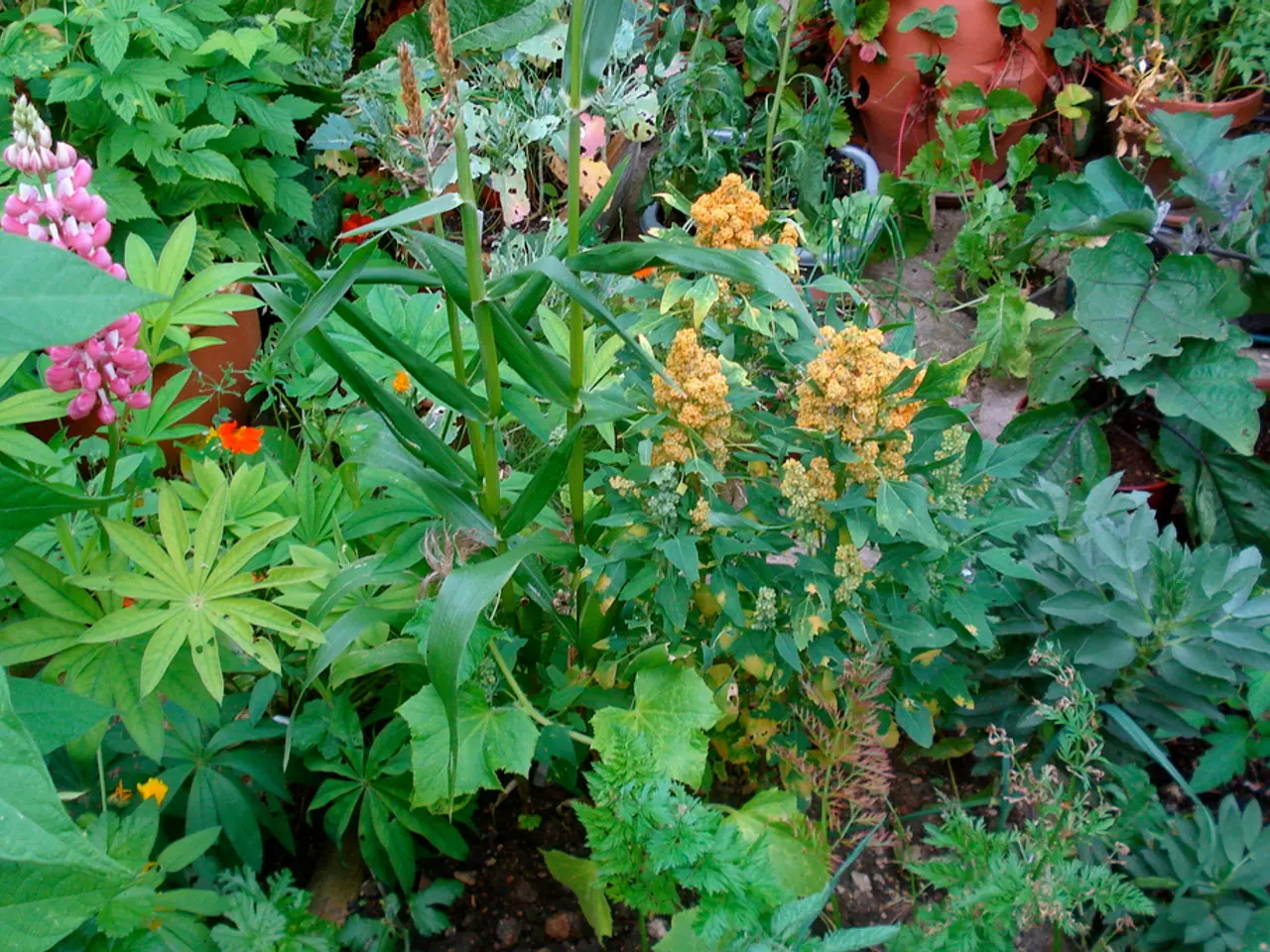
Creating a Pleasing and Cheerful Backyard Garden
In the vibrant world of horticulture, a new trend is blooming – wellness gardens. These gardens, brimming with native plants, are not just aesthetically pleasing, but also offer a myriad of health benefits.
Mihalis Petrou, a renowned landscape and floral designer in New York City, is leading the charge in showcasing the visual allure of native wellness plants. His diverse repertoire includes bee balm, Echinacea, goldenrod, Joe-Pye weed, red columbine, yarrow, Agastache, and mountain mint. Petrou even harvests fresh native plants from his garden in Queens for use in his work, finding them not only visually appealing but also tasty and aromatic.
Many native flowers and shrubs, such as purple angelica, coneflowers, and various types of Monarda, have ecological and health benefits. For instance, Monardas are used as antiseptics, mouthwashes, and cold remedies. Yerba mansa, a desert wetlands native, is favored by Dara Saville for its therapeutic benefits, which include energizing the urinary, digestive, and respiratory systems, and its antimicrobial and anti-inflammatory properties.
The therapeutic aspect of landscaping is being emphasized by experts like Young, who states that a beautiful wellness garden can be medicine in itself. Young prefers using the whole plant, including roots, stem, leaves, and flowers, for herbal remedies. She favors coneflowers Echinacea and Rudbeckia, finding them to be powerful immune stimulants when used in tea or tincture, along with other herbs like mint.
Interests in wellness gardens can vary, with some focusing on ecology, others on Indigenous healing traditions, and many being people with chronic health problems seeking alternative treatments. Gardening is believed to lower rates of hypertension and heart disease, improve mental well-being, and may positively impact the microbiome.
When preparing herbal remedies, the method is often dictated by the plant type. Delicate flowers and leaves can be hung to dry, while fleshier plants are dehydrated, resinous plants are oven-dried, and some are used fresh to create tinctures.
Bridghe McCracken recommends prioritizing plants native to your region for a beautiful and ecologically mindful garden that supports physical well-being. Common healing garden plants from the US East Coast region recommended for promoting health include Echinacea (coneflower), goldenseal, black cohosh, and American ginseng, all known for their medicinal properties and traditional use in herbal remedies.
However, it's important to note that some plants are toxic to humans and pets, so care is required when harnessing the curative power of plants. Native plants tend to be low maintenance, requiring less watering and fertilizer, and are good, collaborative citizens in the garden.
Petrou sees a correlation between the worlds of gardening and fashion, believing that looking good and feeling good create positive energy and inspiration. He uses some native plants, such as yarrow, Agastache, and mountain mint, for herbal teas, finding them beneficial for health.
Online resources like the Lady Bird Johnson Wildflower Center and the Plants for a Future databases can be consulted for information on edible and medicinal plants. For those interested in exploring the healing power of native plants, wellness gardens offer a beautiful and effective way to do so.
Read also:
- Peptide YY (PYY): Exploring its Role in Appetite Suppression, Intestinal Health, and Cognitive Links
- Toddler Health: Rotavirus Signs, Origins, and Potential Complications
- Digestive issues and heart discomfort: Root causes and associated health conditions
- House Infernos: Deadly Hazards Surpassing the Flames