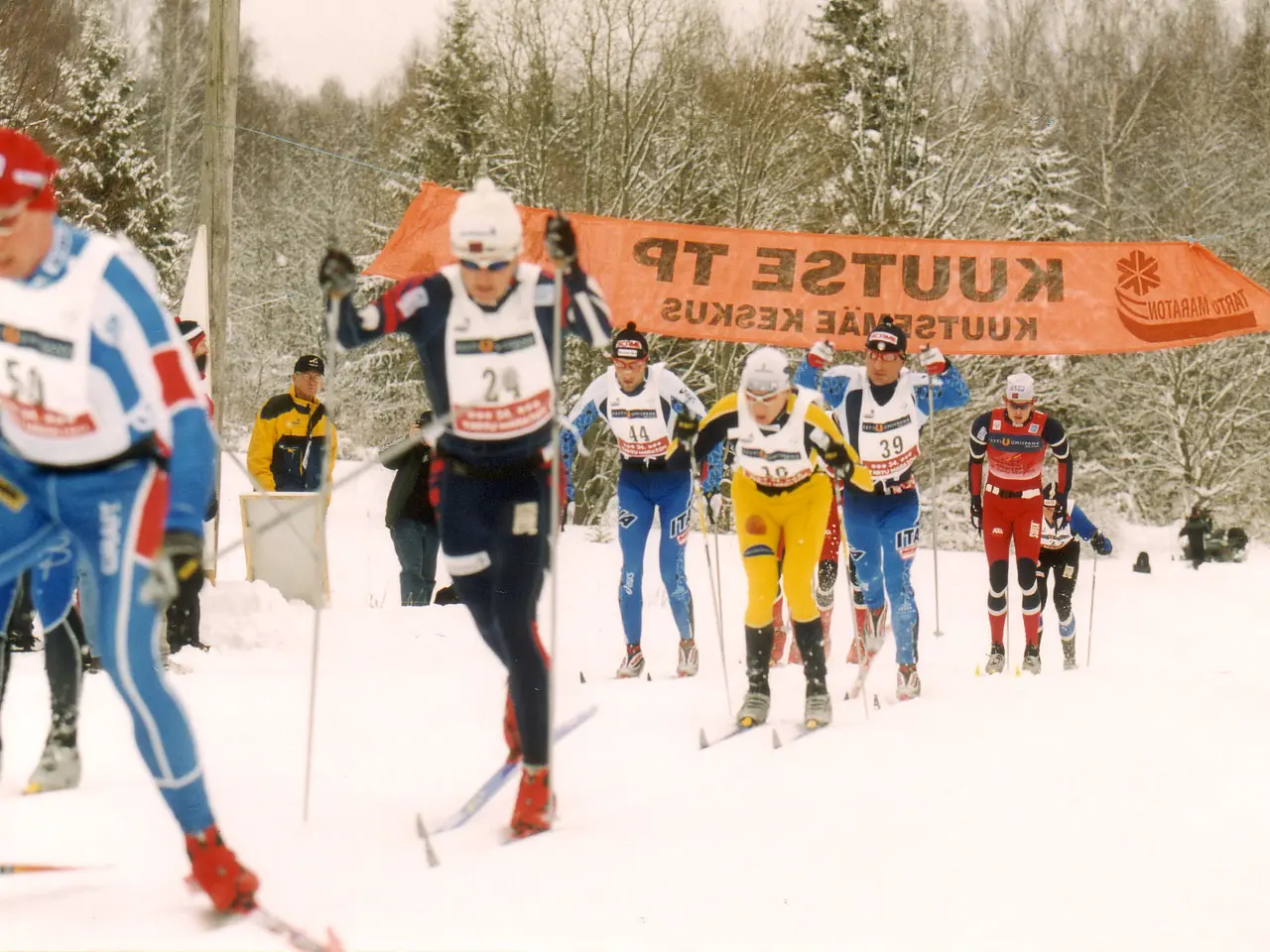
Climate Change Softens World Cup Ski Slopes, Sparking Athlete Backlash
World Cup ski slopes are becoming less icy, sparking debate among athletes and officials. The shift comes as climate change reduces deep-freeze periods, altering how courses are prepared. Some racers have criticised the new conditions, while organisers defend the changes as necessary for sustainability and safety.
The trend towards softer slopes has grown in recent years. In 2006, around 90% of World Cup courses were injected with water to create icy surfaces. Today, Jean-Pierre Vidal estimates that fewer than half are treated this way. Climate change has made prolonged freezing spells rarer, forcing organisers to adapt preparation methods.
Giant slalom specialists have noticed the difference. After finishing 15th in the Madonna di Campiglio slalom on January 7, Henrik Kristoffersen dismissed the slope as 'bullshit'. Adrien Théaux added that overly icy conditions can damage skis, sometimes requiring factory repairs. Meanwhile, Clément Noël argued that consistency—not necessarily ice—matters most for fair competition. The issue was formally addressed at the FIS coaches’ working group meeting in Wengen. All attendees agreed that slopes are changing. The FIS has also tightened rules on icy downhill courses, citing safety risks and equipment strain. Stéphane Mougin, Rossignol’s competition service director, confirmed that ski manufacturers are now adjusting gear for softer snow. Markus Waldner, director of the men’s World Cup circuit, pushed back against criticism. He defended the move away from injected ice, pointing to sustainability efforts. The FIS has reduced systematic snow cutting in technical races to lower environmental impact while keeping races fair.
The debate reflects broader challenges in winter sports as temperatures rise. Courses are evolving, equipment is adapting, and rules are being updated. For now, the shift towards less icy slopes appears set to continue.
Read also:
- Ignorant Youth Unfamiliar with Quebec's Cultural Landscape
- PCOS-related Gas Buildup: Explanation, Control Strategies, and Further Insights
- Astral Lore and Celestial Arrangements: Defining Terms & In-Depth Insights - Historical Accounts & Glossary of Cosmic Mythology
- "Rural Idyls with Supercars: Astonishing Sites Where Residents Cruise McLarens and Ferraris for Groceries"