Child labour drops by 100 million since 2000—but 137 million still suffer
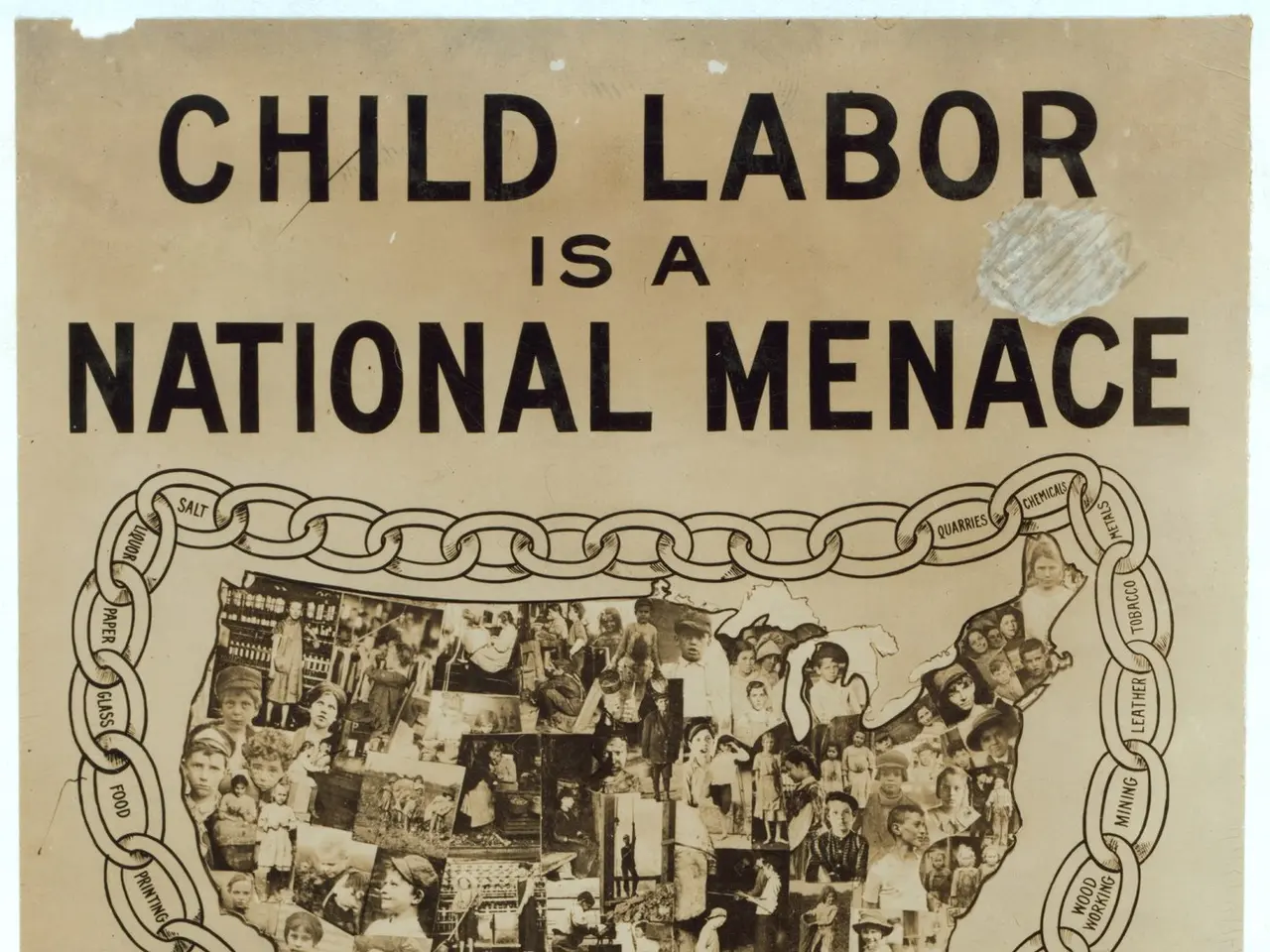
The number of children involved in labour has fallen sharply since 2000, dropping by over 100 million. Despite this progress, 137.6 million children aged 5 to 17 were still working in 2024. That figure represents 7.8 percent of all children in that age group worldwide.
The decline comes even as the global population of 5- to 17-year-olds grew by 230 million over the same period. Yet millions of children remain in dangerous or exploitative conditions, particularly in agriculture and high-risk industries. In 2000, child labour affected 245.5 million children, accounting for 16.0 percent of all 5- to 17-year-olds. By 2024, that number had fallen to 137.6 million, or 7.8 percent of the same age group. The reduction reflects decades of global efforts led by organisations like the International Labour Organization (ILO), which launched initiatives such as Alliance 8.7 to eliminate child labour by 2025.
Most child workers in 2024 were very young, with 57.4 percent aged between 5 and 11. Another 20.2 percent were 12 to 14 years old. Boys made up 60.7 percent of working children, while girls accounted for 39.3 percent. The majority—60.7 percent—were employed in agriculture, a sector long linked to hazardous conditions.
Over half of all child workers in 2024—54.0 million—were engaged in dangerous labour, including 10.3 million children aged 5 to 11. Sub-Saharan Africa remained the worst-affected region, with 86.6 million child workers, or 63.0 percent of the global total. High-risk areas include cocoa farms in Côte d'Ivoire and Ghana, where more than 1.5 million children work.
International NGOs, such as those in the Stop Child Labor coalition and the Sustainable Cocoa Program, have run projects to improve living standards and reduce poverty. Funding from the EU, including allocations of 5 to 25 percent of the European Social Fund Plus (ESF+) for social inclusion, has supported these efforts. Advocacy for fair wages also targets root causes, such as families relying on children's income to survive.
The ILO and its partners continue to push for stronger state commitments, focusing on enforcement in agriculture and other high-risk sectors. Progress has been made, but millions of children still face exploitation, particularly in regions where poverty and weak labour protections persist. The drop in child labour over the past 24 years shows that global campaigns and funding can make a difference. However, 137.6 million children still work, with over 50 million in hazardous jobs. Sub-Saharan Africa carries the heaviest burden, while agriculture remains the dominant sector for child employment.
Efforts like Alliance 8.7 and EU-funded poverty reduction programs aim to address the problem at its roots. But without stronger enforcement and economic support for vulnerable families, millions of children will continue to work in dangerous conditions.
Read also:
- Ignorant Youth Unfamiliar with Quebec's Cultural Landscape
- PCOS-related Gas Buildup: Explanation, Control Strategies, and Further Insights
- Astral Lore and Celestial Arrangements: Defining Terms & In-Depth Insights - Historical Accounts & Glossary of Cosmic Mythology
- "Rural Idyls with Supercars: Astonishing Sites Where Residents Cruise McLarens and Ferraris for Groceries"