Canada's live music venues vanish as costs and digital shifts take their toll
Canada's live music scene is facing a steep decline as venues shut down across the country. Rising costs and shifting audience habits are pushing small and grassroots spaces to the brink. A recent study highlights just how fragile the industry has become, with some venues operating on razor-thin profit margins of around 0.5 per cent.
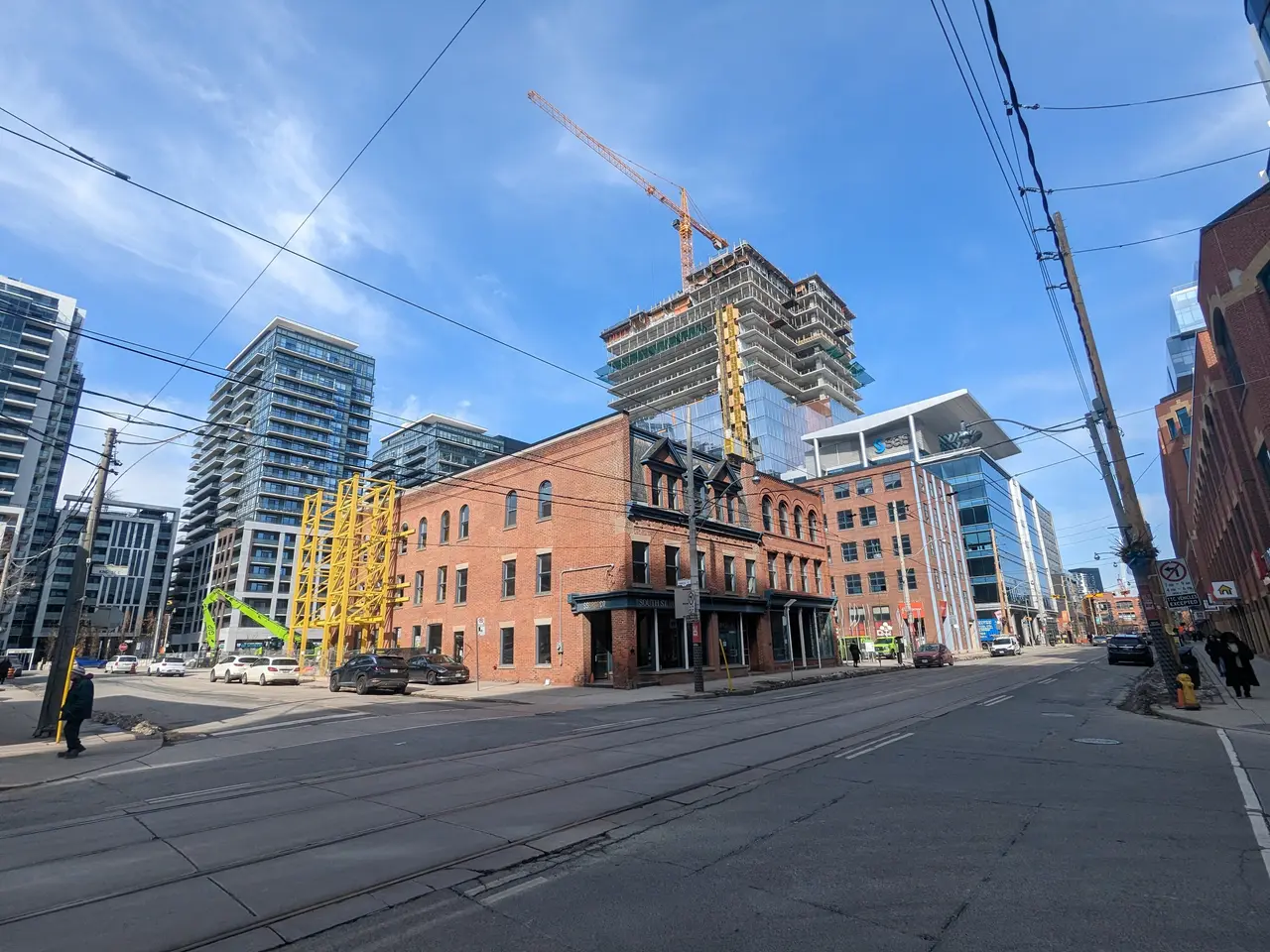
The Velvet Underground, a well-known 350-capacity venue in Toronto, will close permanently at the end of October. It joins other recent shutdowns, including Blue Dog Bar in Montreal and The Dream Cafe in Penticton, B.C. These closures reduce opportunities for emerging artists, many of whom, like Tate McRae, once used such spaces as stepping stones before moving to larger arenas.
Venue operators report soaring expenses, from insurance and labour to higher artist fees. A 2023 study by the Canadian Live Music Association found that live music contributes $10 billion annually to the economy, yet economic pressures remain the biggest threat to small venues. The *Reimagining Music Venues* report confirms that financial strain is the primary challenge for grassroots spaces. Some cities are trying to adapt. Toronto, for example, is repurposing city-owned buildings like It's Ok Studios to support music and arts groups. But industry commentator Eric Alper notes that younger artists now prioritise social media and digital platforms over live performances. This shift makes it harder to fill the very venues that once helped launch their careers.
With fewer stages available, emerging artists face limited chances to grow their audiences. The closures also shrink the cultural footprint of live music in cities nationwide. While repurposed spaces offer some relief, the broader trend points to a shrinking landscape for grassroots performances.
Read also:
- Ignorant Youth Unfamiliar with Quebec's Cultural Landscape
- PCOS-related Gas Buildup: Explanation, Control Strategies, and Further Insights
- Astral Lore and Celestial Arrangements: Defining Terms & In-Depth Insights - Historical Accounts & Glossary of Cosmic Mythology
- "Rural Idyls with Supercars: Astonishing Sites Where Residents Cruise McLarens and Ferraris for Groceries"