California slashes cannabis tax to fight black market—but youth programs pay the price
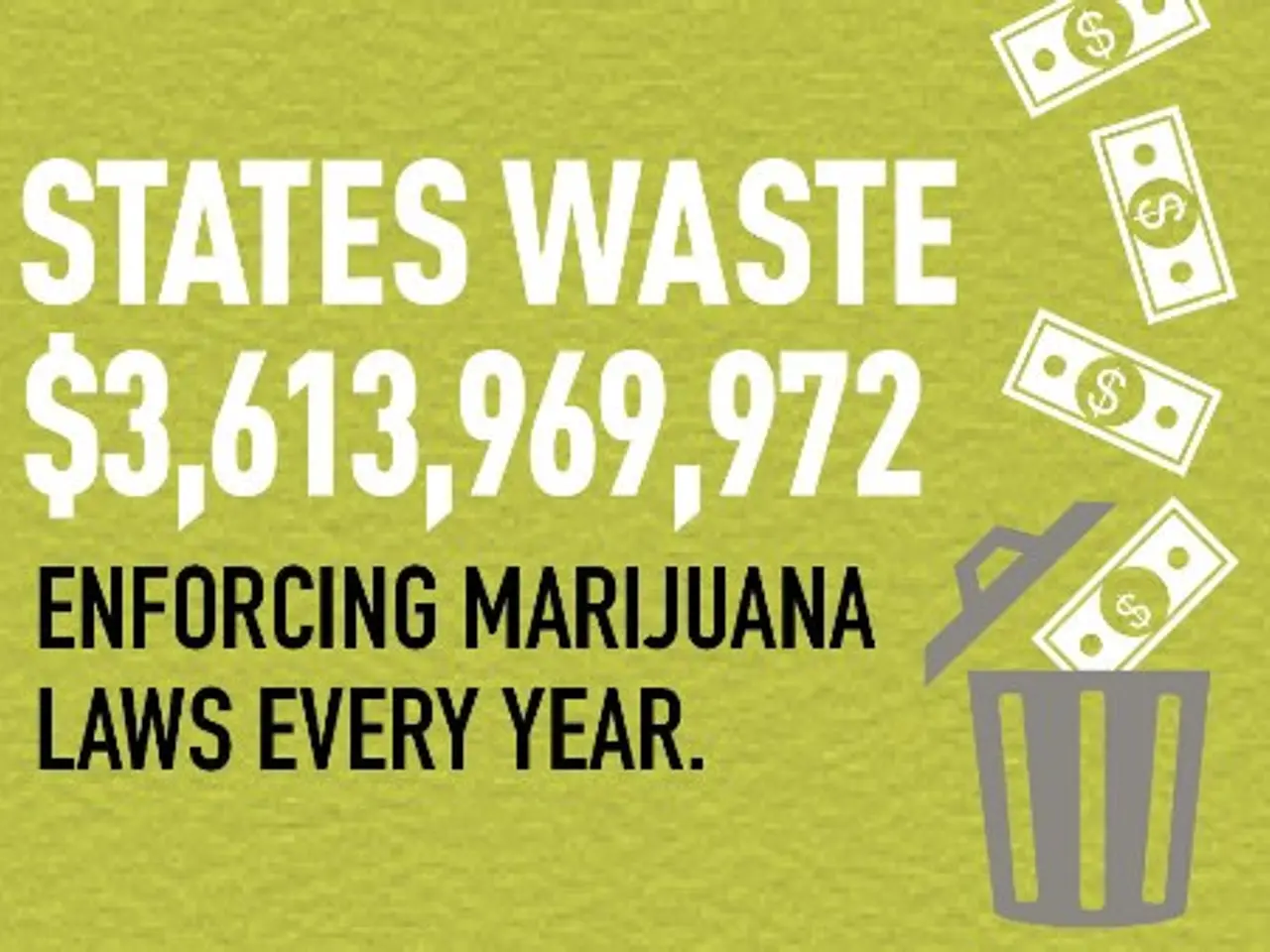
California has cut its cannabis tax from 19% to 15% in a bid to boost legal sales. The move aims to shrink the gap between legal and illegal prices, which currently sees legal products costing three times more. But the change will also reduce funding for youth programmes that rely on the tax revenue. The total tax burden on legal cannabis in California remains around 40%, even after the recent reduction. Lawmakers believe lowering the rate could push buyers away from the black market, eventually increasing overall tax income. This strategy follows examples from states like Montana, Maine, and Minnesota, where cannabis taxes range from 10% to 20%.
One programme affected by the tax cut is Native Sisters Circle, an after-school initiative for Indigenous girls. It receives 80% of its funding from cannabis taxes and helps young women like Angelina Hinojosa avoid drug use. Hinojosa joined to escape peer pressure at school and found support through traditional activities like basket weaving. The tax reduction, however, will remove about £180 million a year from youth drug prevention and community schemes. Since 2018, California's community reinvestment grants—totalling up to £50 million annually—have funded groups such as Youth Employment Partnership, San Diego Youth Services, and Friday Night Live/Club Live. These organisations focus on keeping young people away from drugs through employment and mentorship.
The tax cut takes effect immediately, leaving youth programmes with less funding in the short term. Lawmakers argue that a stronger legal market could eventually restore lost revenue. For now, groups like Native Sisters Circle must adjust to tighter budgets while continuing their work with at-risk teenagers.
Read also:
- PCOS-related Gas Buildup: Explanation, Control Strategies, and Further Insights
- Astral Lore and Celestial Arrangements: Defining Terms & In-Depth Insights - Historical Accounts & Glossary of Cosmic Mythology
- "Rural Idyls with Supercars: Astonishing Sites Where Residents Cruise McLarens and Ferraris for Groceries"
- Heartache Explained: Understanding Angina