California seizes 26 betting machines in Santa Anita Park gambling crackdown
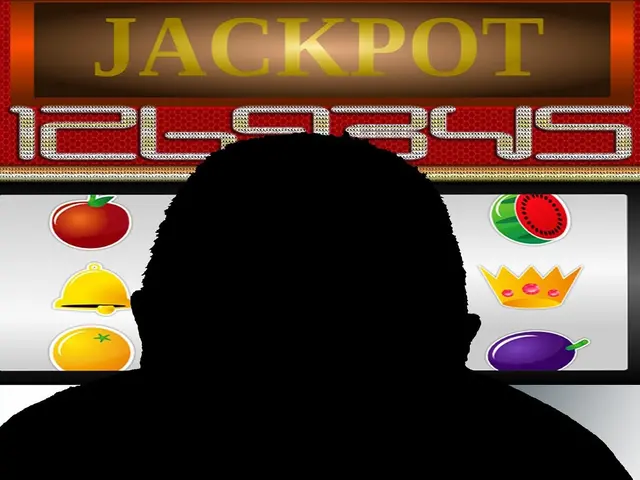
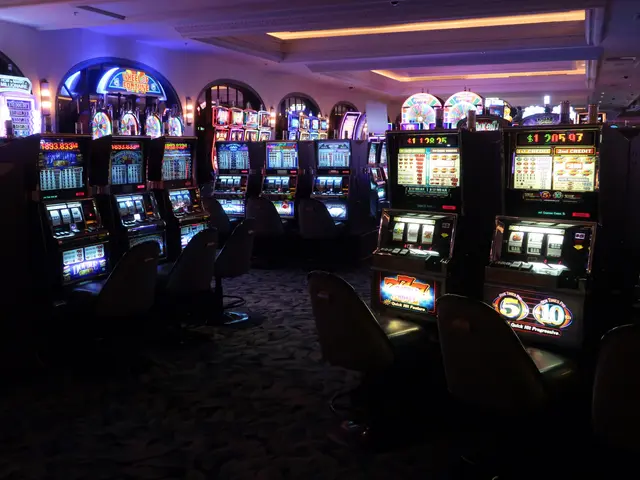
California authorities have seized 26 betting machines from Santa Anita Park as part of a crackdown on new 3 X 3 wagering games. The terminals, known as Racing on Demand, were removed on Saturday by state officials and local police. Track operators argue the games follow pari-mutuel rules, but tribes and regulators disagree.
The state's action targeted Racing on Demand machines, which offer fixed-odds and multi-race betting. Unlike traditional pari-mutuel wagering, these games take a 22% cut, returning 78% to bettors. Santa Anita, Del Mar, and Los Alamitos claim the system pools bets among players, with the house taking a share but not setting payouts.
State agents, including 21 Department of Justice employees and two Arcadia police officers, confiscated the machines over the weekend. The move follows opposition from California tribes, who control most non-pari-mutuel gambling in the state. The tracks had hoped to use revenue from the games to boost race purses, as seen in Kentucky and New York.
Four major unions condemned the seizure, calling it 'reckless' and warning of harm to the racing industry and local jobs. They urged Attorney General Rob Bonta to return the machines. Meanwhile, similar betting models operate legally at tracks in New Jersey and Kentucky, where they are used track-wide.
The dispute centres on whether the 3 X 3 games comply with California's gambling laws. Tracks insist they follow pari-mutuel principles, while tribes and the state argue otherwise. The outcome will determine whether the machines return and how betting revenues are used in the future.
Read also:
- Ignorant Youth Unfamiliar with Quebec's Cultural Landscape
- PCOS-related Gas Buildup: Explanation, Control Strategies, and Further Insights
- Astral Lore and Celestial Arrangements: Defining Terms & In-Depth Insights - Historical Accounts & Glossary of Cosmic Mythology
- "Rural Idyls with Supercars: Astonishing Sites Where Residents Cruise McLarens and Ferraris for Groceries"