Bern’s bold 12-point plan to save fish from cormorant predation
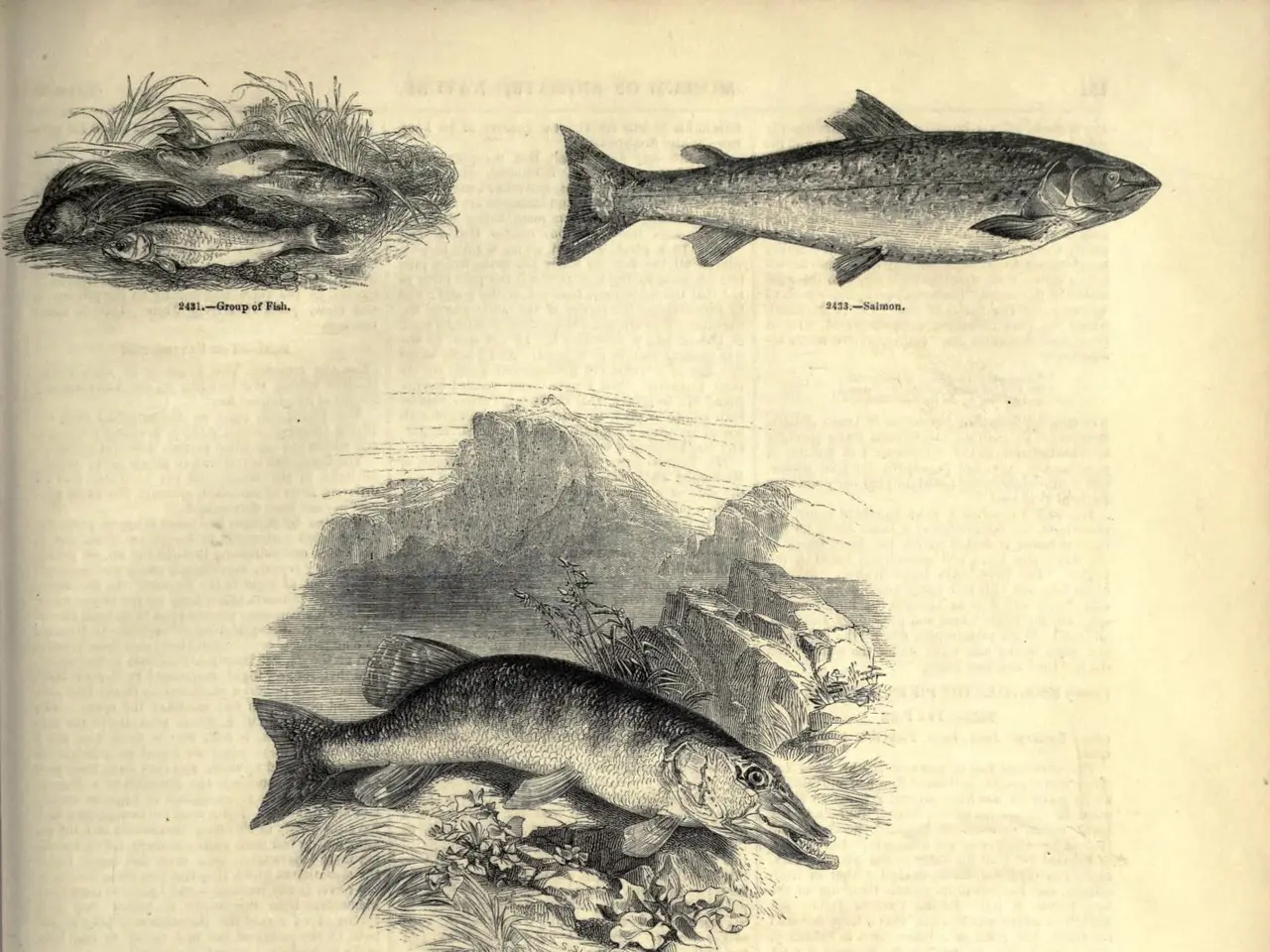
The canton of Bern has launched a 12-point plan to protect fish stocks from cormorant predation. These birds are worsening threats to endangered species like whitefish and nase. The measures aim to balance conservation with the needs of commercial fishing.
Cormorants have become a growing concern for fish populations in Swiss waters. Their feeding habits put extra strain on already vulnerable species, including whitefish and nase. To tackle this, Bern’s new strategy includes stricter protections for spawning areas and targeted interventions in breeding colonies.
The plan also covers river restoration projects and support for local fishing industries. However, actions in the Fanel and Hagneck Delta regions face tighter legal restrictions. These areas fall under protected waterbird and migratory bird reserves, limiting what can be done. Bern will work closely with neighbouring cantons, as cormorants move freely across regional borders. Fribourg and Vaud are already coordinating efforts to manage populations in the Fanel and Hagneck Deltas. The goal is to keep cormorant numbers at levels that allow fish stocks to recover while maintaining ecological balance.
The canton’s approach combines habitat protection, population control, and cross-regional cooperation. If successful, the plan could ease pressure on endangered fish and support local fisheries. Legal safeguards will ensure interventions remain within conservation guidelines.
Read also:
- Ignorant Youth Unfamiliar with Quebec's Cultural Landscape
- PCOS-related Gas Buildup: Explanation, Control Strategies, and Further Insights
- Astral Lore and Celestial Arrangements: Defining Terms & In-Depth Insights - Historical Accounts & Glossary of Cosmic Mythology
- "Rural Idyls with Supercars: Astonishing Sites Where Residents Cruise McLarens and Ferraris for Groceries"