Berlin's anti-feminist surge unites far-right, religious, and libertarian factions
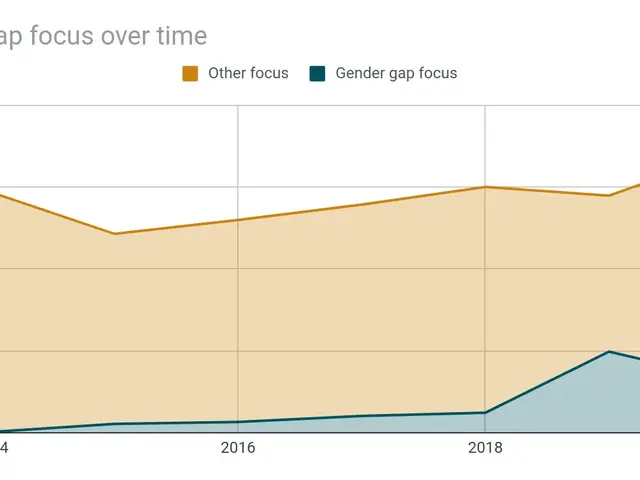
Anti-feminist movements are gaining influence in Germany, targeting legislation and rolling back progress on gender equality. Researchers now describe this trend as a 'bridge ideology' that connects various anti-democratic groups. Berlin has become a focal point for these campaigns, with coordinated efforts from religious, far-right, and libertarian factions.
Andreas Kemper, a researcher on anti-feminism, once saw it as an online-only issue with no clear geographic base. But recent events show a shift. Berlin now faces organised opposition from religious conservatives, ethnonationalists, and right-libertarian groups working together.
One high-profile case involved Apollo News, which criticised Frauke Brosius-Gersdorf's nomination to the Federal Constitutional Court. The outlet focused on her views on abortion and COVID vaccine mandates, leading Union politicians to withdraw support. She stepped down in 2023. A TU Berlin study, commissioned by the Greens, later linked Apollo News to broader frauenfeindliche (women-hostile) networks in Berlin, including the conservative TFP-Studentenaktion.
The Hayek Society, a Berlin-based group with ties to the far-right AfD, has also drawn attention. In 2024, it honoured Argentine President Javier Milei, a controversial figure known for his anti-feminist stance. AfD politician Beatrix von Storch is active in both the Hayek Society and ultra-Catholic religious groups.
Public protests have grown more aggressive. The annual March for Life in Berlin attracts large crowds, while attacks on Pride events have surged. In 2022, a trans man was fatally assaulted in Münster during such a protest. Kemper warns that these incidents signal a broader rise in anti-feminist violence, targeting not just women but also the LGBTIQ+ community.
In response, the Green Party plans new measures. These include training programmes, stronger protections for civil society groups, and stricter oversight of security authorities. Bahar Haghanipour, the party's spokesperson, has proposed adding anti-feminism as a monitoring criterion for the Office for the Protection of the Constitution. Kemper supports this, calling for better tracking of anti-feminist funding, public reporting centres, and judicial awareness of their tactics.
Anti-feminist networks are increasingly active in Germany, blending religious, nationalist, and libertarian agendas. Their campaigns now target institutions, public figures, and marginalised groups. Authorities and political parties are preparing countermeasures, but the movement's growth suggests further confrontation ahead.
Read also:
- Peptide YY (PYY): Exploring its Role in Appetite Suppression, Intestinal Health, and Cognitive Links
- Toddler Health: Rotavirus Signs, Origins, and Potential Complications
- Digestive issues and heart discomfort: Root causes and associated health conditions
- House Infernos: Deadly Hazards Surpassing the Flames