Bangladesh’s LDC Exit Threatens Trade Protections by 2026
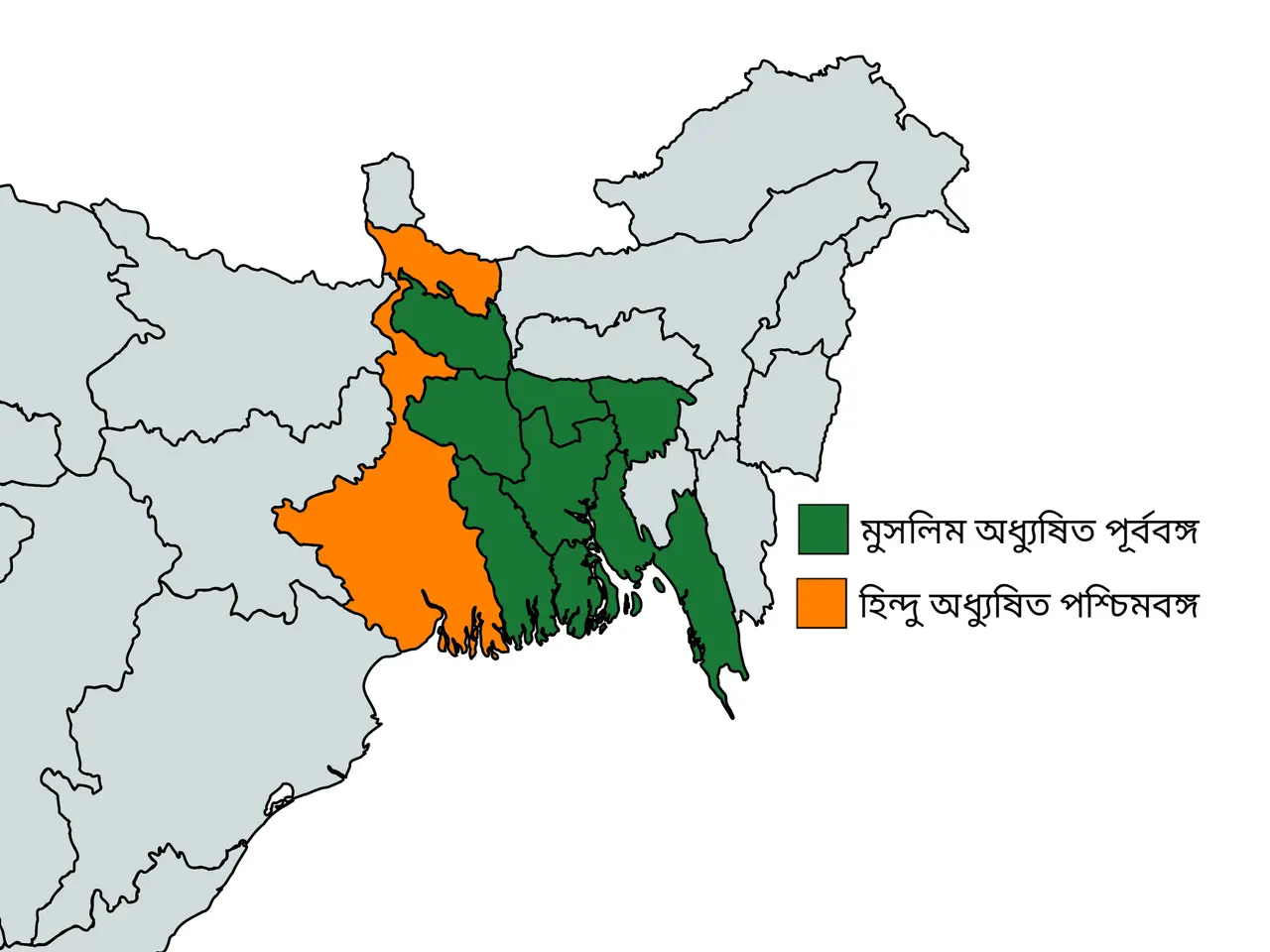
Bangladesh is set to leave the United Nations’ Least Developed Country (LDC) list on 24 November 2026. The transition marks a major shift in its global trade standing, as key protections and flexibilities under the World Trade Organisation (WTO) will no longer apply. Without careful planning, the country risks losing vital support just as it steps into a more competitive economic position.
The WTO’s legal framework ties many trade benefits to the UN’s LDC classification. Once Bangladesh graduates, it will lose critical exemptions, including waivers on intellectual property rules under TRIPS and export subsidies. These changes will force stricter compliance with WTO agreements, bilateral trade deals, and international standards—such as labour rights under the ILO and environmental norms from the UNFCCC.
The Thirteenth WTO Ministerial Conference recently addressed the challenges of graduating LDCs but offered little concrete help. Most decisions were postponed to future talks, leaving countries like Bangladesh with uncertainty. Meanwhile, wealthy nations are growing less willing to extend open-ended privileges, making negotiations for continued support even tougher. Bangladesh’s current approach leans heavily on technical and economic fixes, with less focus on the legal and political hurdles ahead. To soften the transition, experts urge Dhaka to push for extended flexibilities, secure binding market access guarantees, and embed special and differential treatment into its long-term development plans. Without these steps, the country could climb the development ladder without a safety net. The next two years will be crucial for shaping policies in both Dhaka and Geneva to protect trade and industrial interests post-graduation.
Bangladesh’s move from LDC status will strip away long-standing trade protections, leaving it in a less certain position as a developing nation. The government must now act quickly to negotiate new terms and strengthen its legal and political strategy. Failure to do so could leave key industries exposed to stricter global rules and reduced market access.
Read also:
- PCOS-related Gas Buildup: Explanation, Control Strategies, and Further Insights
- Astral Lore and Celestial Arrangements: Defining Terms & In-Depth Insights - Historical Accounts & Glossary of Cosmic Mythology
- "Rural Idyls with Supercars: Astonishing Sites Where Residents Cruise McLarens and Ferraris for Groceries"
- Heartache Explained: Understanding Angina