Austria's municipal debt crisis reveals stark regional disparities and fiscal strain
Austria's municipalities are facing rising debt levels, with total liabilities exceeding 23 billion euros. The financial strain varies widely across regions, influenced by local policies, infrastructure needs, and state-specific fiscal rules. A closer look reveals stark differences between provinces and even among small towns.
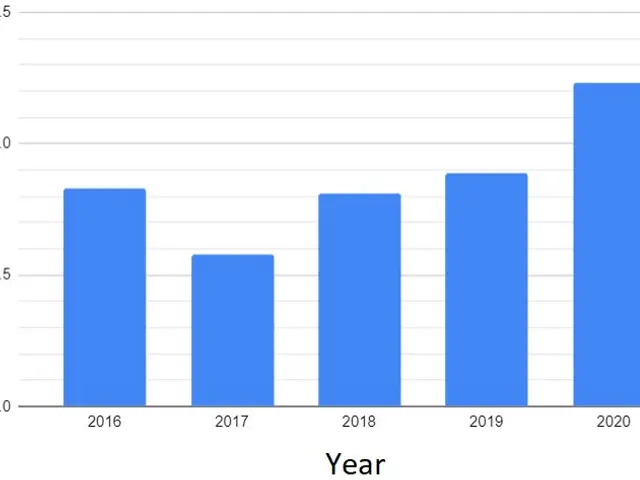
From 2010 to the mid-2020s, municipal debt in Austria climbed sharply. Vienna, which functions as both a city and a federal state, carries the heaviest burden at 10.2 billion euros. Salzburg and Vienna also stand out for their high per-capita debt, reflecting aggressive infrastructure spending and distinct financial strategies.
In contrast, Vorarlberg leads in per-inhabitant debt among smaller regions, reaching 2,913 euros—far above Salzburg's 862 euros. Meanwhile, Tyrol and Vorarlberg maintain lower overall debt levels, suggesting more conservative fiscal approaches. Small municipalities in Vorarlberg, Styria, and Lower Austria also struggle, with some accumulating disproportionately high per-capita liabilities. Financial pressures stem partly from Austria's tax-sharing system. Municipalities collect revenues but must transfer six out of every ten euros to federal states under equalisation rules. These transfers, combined with infrastructure costs, push many local governments into debt. Experts propose merging very small municipalities to cut administrative expenses and ease the financial load. Out of over 2,000 municipalities nationwide, only 53 remain completely debt-free. The rest face varying degrees of financial stress, shaped by regional economic conditions and policy choices.
The debt landscape across Austria's municipalities highlights deep regional disparities. While some states manage liabilities carefully, others—like Vienna and parts of Vorarlberg—carry far heavier burdens. With only a fraction of towns debt-free, calls for structural reforms, such as municipal mergers, are growing louder to address long-term financial stability.
Read also:
- Ignorant Youth Unfamiliar with Quebec's Cultural Landscape
- PCOS-related Gas Buildup: Explanation, Control Strategies, and Further Insights
- Astral Lore and Celestial Arrangements: Defining Terms & In-Depth Insights - Historical Accounts & Glossary of Cosmic Mythology
- "Rural Idyls with Supercars: Astonishing Sites Where Residents Cruise McLarens and Ferraris for Groceries"