
Atlantic City's casino revival thrives after Taj Mahal's closure in 2016
Atlantic City tourism statistics indicate that the region's seven remaining casinos are benefiting from the October closure of the Trump Taj Mahal.
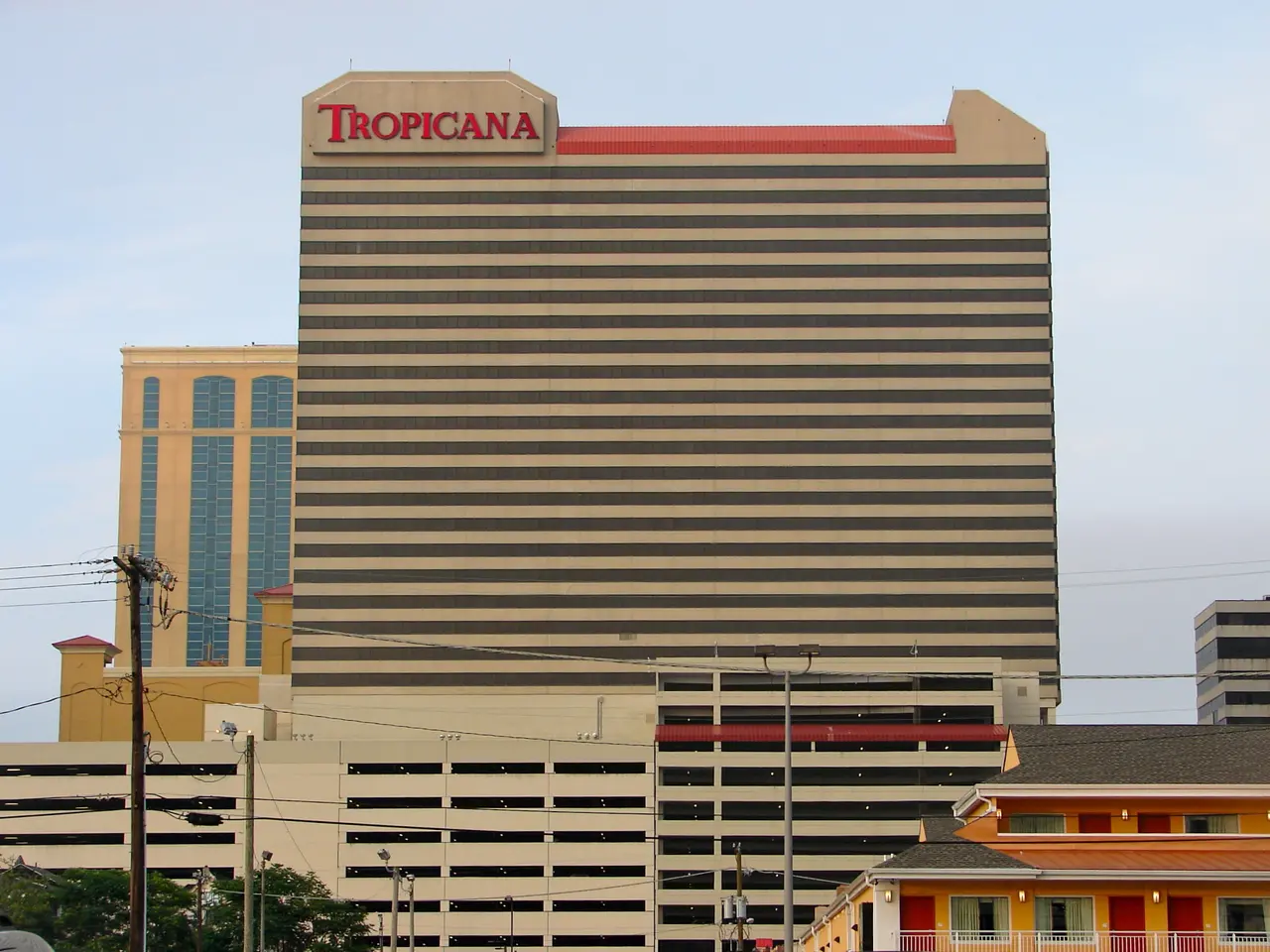
It's a new day in Atlantic City and the sun is shining bright. New tourism statistics hint that there's plenty of reason to justify Hard Rock's $500 million renovation of the closed Trump Taj Mahal. (Image: Sam Greenwood/Getty Images)
But they aren't just poaching from the shuttered resort, but also generating new visitations to the beachfront town.
According to the Atlantic City Tourism Performance Indicators report published by Stockton University's Lloyd D. Levenson Institute of Gaming, Hospitality & Tourism (LIGHT), the last six months have been a positive period for the city's economy.
Stockton researcher Brian Tyrrell and LIGHT Executive Director Rummy Pandit based their findings on taxes generated by hotel stays at casinos, parking fees at resorts, and non-casino spending. Between October 2016 through March, all three classification areas reported year over year growth.
LIGHT says combined the three measurements "serve as an effective proxy for the performance of the tourism economy in Atlantic City."
Through eight months in 2017, Atlantic City casino revenue is ahead two percent on 2016. From January through August, casinos have won $1.8 billion.
Parking Driving Economy
The Atlantic City Casino Parking Fee is a $3 tariff that patrons pay on each parking space they utilize. $2.50 is earmarked for the Casino Reinvestment Development Fund, while the remaining $0.50 is deposited into the Casino Revenue Fund.
Monitoring total income generated by the parking charge allows analysts to determine whether more or less visitors are frequenting casinos.
After six months of declines between April 2016 and September, Atlantic City parking garages have collected more revenue on a per space basis in each of the past six months. That's of course partly due to the Taj Mahal's 6,300 parking space closures, but Atlantic City casino resorts still have almost 30,000 available spaces.
In March of 2017, the Atlantic City Casino Parking Fee per 100 spaces totaled $167. That's a substantial increase on March 2013 ($153), March 2014 ($150), March 2015 ($155) and last year ($161).
Five casinos closed between 2014 and last fall.
Lodging Fees Increase
Stockton University also utilizes financial data generated by the Atlantic County Lodging Fee, the county's keep of the five percent State Occupancy Fee, in determining the health of Atlantic City tourism. Though the revenue isn't specific to the gambling city but the county as a whole, Tyrrell and Pandit says "there is general consensus that the Atlantic City tourism market impacts the hotel industry throughout the county and thus is a reliable measure of the Atlantic City tourism economy."
The Taj's closure lowered Atlantic City casino resort occupancies to 11,451 rooms. With reduced competition, resorts have been able to increase their nightly rates, and thus generate more income in lodging fees.
The 12 months ending in March 2017 averaged $669 per month in tax fees per 100 rooms. That's a 5.7 percent bump on 2016's $633, and 23 percent gain on 2014.
During the second quarter of 2017, Atlantic City casinos reported an occupancy rate of over 90 percent on a nightly average rate of $107.43. Resorts has the highest occupancy rate at 95 percent, and Golden Nugget the lowest at 82 percent.
Borgata, the biggest gaming earner and largest hotel property with 2,767 rooms, reported an occupancy rate of 90 percent.
Read also:
- Ignorant Youth Unfamiliar with Quebec's Cultural Landscape
- PCOS-related Gas Buildup: Explanation, Control Strategies, and Further Insights
- Astral Lore and Celestial Arrangements: Defining Terms & In-Depth Insights - Historical Accounts & Glossary of Cosmic Mythology
- "Rural Idyls with Supercars: Astonishing Sites Where Residents Cruise McLarens and Ferraris for Groceries"


